













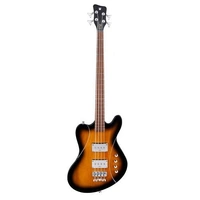
On Sale
35% OFF
RRP $1,999.00
Now Open 12pm - 5 pm on Sundays!
 Guitars
 Strings
 Percussion
 Digital Piano
 Folk & Ukuleles
 Brass
Brass
 Woodwind
 Orchestral Strings
 Pro Audio & Studio

 DJ Equipment
 Drum Pedals
 Lighting
 Staging
Guitars
Strings
Percussion
Digital Piano
Folk & Ukuleles
Brass
Woodwind
Orchestral Strings
Pro Audio & Studio
DJ Equipment
Drum Pedals
Lighting
Staging
Staging
Guitars
Strings
Percussion
Digital Piano
Folk & Ukuleles
Brass
Woodwind
Orchestral Strings
Pro Audio & Studio
DJ Equipment
Drum Pedals
Lighting
Staging

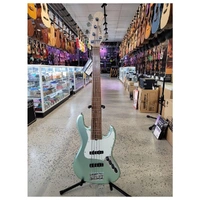
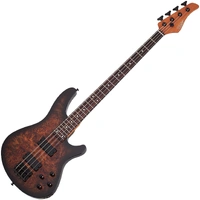
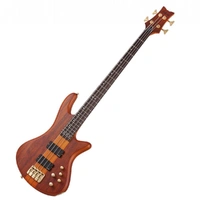
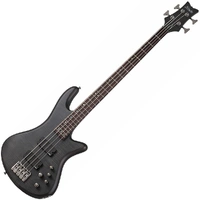
Angkor Music Melbourne stocks extensive bass guitar selection featuring Schecter, Warwick, Sadowsky, Music Man, Ibanez, ESP, Cort, Spector, Hagstrom, Jet, and Alvarez acoustic bass guitars across all price points from entry-level through professional instruments with expert staff providing guidance based on decades of combined playing and bass guitar repair experience since 1976. Bass guitar construction fundamentals: solid body electric bass guitars provide foundation for modern bass tone with body woods contributing mass resonance sustain characteristics. Ash bodies deliver bright articulate tone with enhanced treble response ideal for slap funk playing, alder provides balanced frequency response warm smooth character, mahogany offers thick warm midrange with natural compression, maple bodies create bright snappy attack with tight low-end response. Neck construction methods: bolt-on necks bright punchy attack easy maintenance replacement common on Fender-style instruments, set-neck construction enhanced sustain smooth playing feel improved upper fret access, neck-through designs maximum sustain resonance transfer popular on high-end instruments from Warwick Schecter Spector extending neck wood through entire body length creating seamless construction. Scale length affects string tension fret spacing tonal character: standard 34-inch scale most common providing balanced tension across all strings, 35-inch long scale tighter string tension enhanced low-B fundamental on 5-string basses improved clarity definition, short scale 30-32 inches reduced string tension easier playability vintage feel smaller proportions, super long scale 36-inch or longer extended-range instruments low tunings. Schecter bass guitars premium features accessible prices: Stiletto series mahogany bodies maple tops active EMG pickups 3-band EQ gothic styling $900-$1,500, Omen series entry-level solid construction passive pickups reliable hardware beginner-friendly specifications $450-$700, Diamond series premium appointments quilted maple tops Grover tuners advanced electronics $1,200-$2,000, extended-range 5-string 6-string configurations available across multiple series. Warwick bass guitars German craftsmanship distinctive character: Streamer models neck-through construction MEC pickups active electronics balanced tone $2,500-$4,500, Corvette bolt-on designs aggressive attack punchy midrange $1,800-$3,000, Thumb neck-through ergonomic body shape distinctive wenge neck ovangkol fretboard unique tonal signature $3,000-$5,000, RockBass series affordable Warwick specifications Asian manufacturing $800-$1,500, all models feature adjustable Just-A-Nut zero fret systems. Sadowsky bass guitars boutique performance: MetroExpress series passive pickups vintage-inspired tone modern reliability $2,000-$2,800, MetroLine active preamp Sadowsky signature sound enhanced clarity punch $2,800-$3,500, handmade NYC models custom shop craftsmanship hand-selected woods Roger Sadowsky personal attention $6,000-plus, all feature 34-inch scale vintage J-bass inspired body shapes modern playability enhancements. Music Man bass guitars American excellence: StingRay classic single humbucker 3-band active EQ punchy aggressive tone $2,500-$3,500, Sterling compact body dimensions similar electronics accessible price $1,800-$2,500, Bongo distinctive body shape dual humbuckers 4-band EQ comprehensive tonal control $3,000-$4,000, all models feature neodymium pickups active preamps exceptional build quality. Ibanez bass guitars modern design versatility: SR series thin fast necks lightweight bodies active electronics $500-$2,000, BTB series premium appointments ash/mahogany bodies Bartolini pickups 3-band EQ $1,200-$2,500, EHB ergonomic headless designs modern aesthetics advanced features $1,500-$2,500, GVB Gerald Veasley signature hollow body jazz bass specifications $1,800-$2,800, Soundgear workshops entry-level SR specifications beginner-friendly pricing $400-$600. ESP bass guitars professional specifications: LTD AP series alder bodies active pickups modern rock metal voicing $800-$1,200, LTD B series traditional designs passive pickups vintage-inspired tone $600-$900, LTD Stream neck-through construction premium appointments $1,500-$2,200, E-II series Japanese craftsmanship hand-selected woods premium electronics $2,000-$3,500. Cort bass guitars exceptional value: Action series PJ configuration versatile tone solid construction $400-$600, GB series Gene Simmons Geezer Butler inspired passive electronics punchy rock tone $500-$800, Artisan series premium appointments active Bartolini electronics figured tops $1,200-$1,800, Rithimic Jeff Berlin signature fretless fretted models advanced features $1,500-$2,200. Spector bass guitars distinctive curve: Legend series bolt-on construction active EMG pickups aggressive modern tone $1,200-$1,800, Euro series neck-through premium woods advanced electronics $2,500-$4,000, NS body shape ergonomic design enhanced upper fret access, all models feature active tone circuits comprehensive EQ control. Hagstrom bass guitars Swedish innovation: Northen series Viking semi-hollow construction vintage aesthetics modern playability $1,200-$1,800, H-Expander truss rod system exceptional neck stability, resonator fretboard technology enhanced sustain harmonic content. Jet bass guitars entry-level quality: solid construction reliable hardware passive pickups beginner-friendly specifications $300-$500, PJ configurations Jazz Bass Precision Bass inspired designs, ideal first bass guitars students casual players. Alvarez acoustic bass guitars: solid tops laminate back sides built-in electronics $500-$900, cutaway designs easy upper fret access, on-board preamps with EQ tuners, traditional dreadnought jumbo body shapes acoustic projection, ideal unplugged performances small venues. Pickup configurations: Precision P-bass split-coil design powerful fundamental thick midrange classic rock soul Motown tone, Jazz J-bass dual single-coils bright articulate scooped midrange growl slap funk playing, PJ configuration combines P-bass power J-bass clarity versatile all-genre tone, dual humbuckers modern aggressive voicing enhanced output noise rejection active electronics, soapbar pickups wide frequency response smooth even tone common on Music Man Spector instruments. Active versus passive electronics: active preamps 9-volt battery power boost cut EQ controls enhanced output consistent tone reduced noise, passive electronics no battery requirements vintage organic character dynamic playing response natural compression warmth. String configurations: 4-string standard E-A-D-G tuning traditional versatile covers most musical styles, 5-string adds low-B extended range modern rock metal contemporary music, 6-string adds high-C extended upper register solo work chordal playing, extended-range instruments require proper setup intonation longer scale lengths enhanced string tension. Price ranges Melbourne: entry $300-$699 Jet bass guitars Cort Action Ibanez Soundgear solid construction reliable hardware versatile configurations ideal students developing players, intermediate $700-$1,999 Schecter Omen/Stiletto Ibanez SR Cort Artisan ESP LTD enhanced electronics premium hardware superior playability professional applications serious hobbyists, professional $2,000-$4,999 Schecter Diamond Warwick RockBass/Corvette Sadowsky MetroExpress Music Man StingRay/Sterling Spector Legend/Euro Ibanez BTB ESP E-II hand-selected woods premium pickups meticulous craftsmanship recording touring-grade performance, premium $3,000-plus Warwick Thumb/Streamer Sadowsky NYC Music Man premium USA Spector Euro neck-through exotic woods boutique electronics custom shop attention investment-grade instruments. Professional setup and repair services: comprehensive bass guitar setup included every purchase action adjustment intonation correction truss rod adjustment fret inspection electronics testing fresh strings, ongoing maintenance repair from experienced bass guitar repair technicians understanding bass-specific setup requirements pickup electronics hardware providing honest recommendations, neck relief adjustment string height optimization pickup height adjustment electronics cleaning potentiometer maintenance battery replacement active systems. Expert staff musicians: working bassists with bass guitar repair and setup expertise understanding pickup configurations scale lengths neck profiles hardware specifications across rock metal jazz funk providing honest recommendations based genuine playing experience not sales pressure. Showroom trial Altona: 4-6 Drake Boulevard comfortable unpressured testing environments quality bass amplification private testing areas compare Schecter Warwick Sadowsky Music Man Ibanez ESP across price points. Australia-wide shipping: secure packaging neck support full insurance tracking 3-7 days major cities professional packaging safe arrival bass guitars delicate instruments require proper protection transit. Call (03) 8360 7799 for personalized bass guitar recommendations expert advice from experienced bass specialists.
Welcome to Angkor Music Melbourne's bass guitar department, where we've been helping bassists find their perfect instrument since 1976. Located at 4-6 Drake Boulevard, Altona, our showroom features an extensive selection of bass guitars from leading manufacturers including Schecter, Warwick, Sadowsky, Music Man, Ibanez, ESP, Cort, Spector, Hagstrom, Jet Guitars, and Alvarez acoustic bass guitars. Our staff are working bassists with professional bass guitar repair and setup expertise who understand pickup configurations, scale lengths, neck profiles, and hardware specifications across rock, metal, jazz, funk, and every style in between. Whether you're searching for a versatile Schecter Stiletto, a distinctive Warwick Corvette, a boutique Sadowsky MetroExpress, a classic Music Man StingRay, or an entry-level instrument from our affordable range, we stock bass guitars across every price point and playing style. Our comprehensive bass guitar setup and repair service ensures every instrument leaving our showroom performs optimally with proper action adjustment, intonation correction, electronics testing, and fret inspection tailored to bass-specific requirements. Call us on (03) 8360 7799 to discuss your requirements, or visit our Altona showroom to experience these bass guitars hands-on through quality bass amplification.
Bass guitar construction fundamentals differ from electric guitars in critical ways that impact tone, playability, and overall performance. The bass guitar's primary role—providing low-frequency foundation and rhythmic drive—requires specific design considerations including longer scale lengths, heavier gauge strings, more robust hardware, and pickups optimized for low-frequency reproduction. When selecting a bass guitar in Melbourne, understanding these construction elements helps you make informed decisions matching your playing style, tonal preferences, and musical applications.
Body wood selection significantly impacts sustain, resonance, and tonal character. Ash bodies, featured on many Sadowsky and traditional bass designs, deliver bright, articulate tone with enhanced treble response and pronounced attack. The wood's open grain structure creates snappy, percussive character ideal for slap bass techniques and funk playing where note definition and clarity matter most. Alder provides balanced frequency response with warm, smooth character that sits well in dense mixes. Music Man bass guitars frequently employ alder, creating instruments with controlled low-end response and present midrange that cuts through without excessive brightness.
Mahogany bodies offer thick, warm midrange with natural compression that smooths out aggressive playing dynamics. Schecter bass guitars utilize mahogany extensively, often combining it with maple tops to add brightness and attack while maintaining mahogany's fundamental warmth. This combination creates versatile instruments capable of delivering punchy rock tone and smooth jazz warmth. Maple bodies, less common but featured on some premium instruments, create bright, snappy attack with tight low-end response and exceptional note clarity.
Neck construction methods dramatically impact sustain, resonance transfer, and upper fret accessibility. Bolt-on necks, standard on Sadowsky, Music Man, and traditional Fender-style instruments, provide bright, punchy attack with excellent fundamental note definition. The bolt-on joint creates slight discontinuity between neck and body that emphasizes each note's attack phase, delivering the percussive quality many bassists prefer for funk, pop, and rock applications. Bolt-on construction also facilitates neck replacement and angle adjustment if needed.
Set-neck construction, found on some premium instruments, enhances sustain and creates smoother playing feel with improved upper fret access. The glued neck joint creates more continuous resonance transfer between neck and body compared to bolt-on designs. Neck-through construction, featured extensively across Warwick, premium Schecter, and Spector bass guitars, maximizes sustain and resonance by extending the neck wood through the entire body length. This seamless construction creates exceptional note sustain, smooth tonal transitions, and unrestricted upper fret access, though it prevents neck replacement and increases manufacturing complexity and cost.
Scale length affects string tension, fret spacing, and fundamental tone character more dramatically on bass guitars than six-string electrics due to the lower frequencies involved. Standard 34-inch scale length, featured on most traditional bass designs including Sadowsky, Music Man, and many others, provides balanced string tension across all four strings with comfortable fret spacing and familiar feel for players transitioning from guitar.
Long scale 35-inch designs, increasingly common on modern 5-string and 6-string instruments, provide tighter string tension that enhances low-B fundamental clarity and definition. The increased tension improves intonation accuracy and reduces flabbiness on the lowest string, making 35-inch scales popular for extended-range instruments. Short scale basses, measuring 30-32 inches, offer reduced string tension, easier playability, and vintage feel with smaller overall proportions. Short scale instruments suit players with smaller hands, those seeking vintage tones, or bassists who prioritize comfort over extended low-end response. Super long scale designs exceeding 36 inches appear on some extended-range instruments optimized for extremely low tunings.
Schecter bass guitars represent exceptional value in the Melbourne bass market, delivering professional-grade features, premium appointments, and versatile tonal capabilities at prices significantly below boutique alternatives. The company's extensive bass lineup spans from entry-level instruments suitable for beginners through professional models capable of handling demanding studio and touring applications. Our Altona showroom maintains comprehensive Schecter bass inventory across their complete range, allowing players to compare different models and configurations directly.
The Stiletto series defines Schecter's mid-range offering, featuring mahogany bodies with figured maple tops, active EMG pickups, 3-band active EQ, and gothic aesthetic appointments that have become synonymous with the brand. Stiletto Studio models provide 4-string and 5-string configurations with EMG 35DC and 35CS pickups delivering powerful output, tight low-end response, and aggressive midrange character suited to rock and metal applications. The active 3-band EQ allows comprehensive tone shaping with bass, middle, and treble boost/cut controls plus master volume, enabling players to dial in appropriate sounds for diverse musical situations.
Stiletto Custom models elevate the series with premium appointments including quilted maple or spalted maple tops, abalone binding, and upgraded hardware throughout. These instruments demonstrate how Schecter provides boutique-level aesthetics and build quality at intermediate prices, making them popular choices for advancing players and working bassists who demand professional performance without flagship pricing. The set-neck construction on Stiletto models enhances sustain while providing smooth playing feel and excellent upper fret access.
Schecter Omen bass guitars bring Schecter quality to entry-level prices, featuring solid body construction, passive pickups, reliable hardware, and comfortable playability that supports skill development. The Omen-4 provides traditional dual pickup configuration with volume controls for each pickup plus master tone, allowing players to blend bridge and neck pickups for diverse tonal options. Omen Extreme models add active EMG pickups and more aggressive aesthetics while maintaining accessible pricing, creating upgrade paths for players who start with passive Omen models but desire active electronics' output and control.
The Diamond series represents Schecter's premium bass offering, incorporating hand-selected woods, advanced electronics, premium hardware including Grover tuners and high-mass bridges, and meticulous setup standards. Diamond P-Plus models combine Precision and Jazz bass pickup configurations in single instruments, providing P-bass fundamental power with J-bass clarity and growl. The active/passive switching on many Diamond models allows players to access both active and passive tones from single instruments, maximizing versatility for sessions and diverse gig requirements.
Extended-range Schecter bass guitars include 5-string and 6-string configurations across multiple series, with 35-inch scale lengths providing proper tension for low-B and high-C strings. The longer scale ensures the low-B maintains fundamental clarity without flabbiness while the high-C provides singing lead capabilities. Schecter's multi-scale bass designs employ fanned fret construction that varies scale length across the neck, optimizing tension for each string individually—shorter scales on the treble side for comfortable playing, longer scales on the bass side for enhanced low-end definition.
Premium bass manufacturers including Warwick, Sadowsky, and Music Man represent the pinnacle of production bass guitar manufacturing, delivering exceptional build quality, innovative designs, and distinctive tonal characteristics that have made them favorites among professional bassists worldwide. These instruments command premium prices but justify their costs through superior materials, meticulous craftsmanship, and performance capabilities that meet the demands of studio recording and international touring.
Warwick bass guitars, manufactured in Germany, have defined European bass tone since the company's founding in 1982. Warwick's distinctive character comes from proprietary wood combinations including wenge necks, ovangkol fretboards, and bodies featuring bubinga, ash, or swamp ash with figured maple tops. The Streamer series utilizes neck-through construction with active MEC pickups and 2-band or 3-band active EQ, delivering balanced tone with enhanced clarity, tight low-end response, and aggressive midrange bite. Streamer models range from Streamer LX with figured maple tops through Streamer Stage I with more streamlined appointments, all sharing Warwick's fundamental character.
The Corvette series employs bolt-on neck construction, creating instruments with more aggressive attack and punchy midrange compared to neck-through Streamers. Corvette Standard models feature passive MEC pickups for organic vintage-inspired tone, while Corvette Premium variants incorporate active electronics with comprehensive EQ control. The Thumb series represents Warwick's most distinctive design, featuring asymmetrical body shape, neck-through construction, and compact proportions that create unique ergonomics. Thumb basses deliver focused, aggressive tone with pronounced midrange presence that cuts through dense mixes.
All Warwick bass guitars feature the company's Just-A-Nut adjustable zero fret system that optimizes open string tone and sustain while allowing precise intonation adjustment. The brass nut with individual string slots can be raised or lowered to match fretted note action, eliminating the tonal discontinuity between open and fretted notes common on traditional fixed nuts. Warwick RockBass series instruments provide Warwick specifications at more accessible prices through Asian manufacturing, delivering authentic Warwick tone and feel for players on budgets.
Sadowsky bass guitars represent Roger Sadowsky's vision of the ultimate modern bass combining vintage aesthetics with contemporary performance. The MetroExpress series features passive pickups delivering vintage-inspired tone with modern reliability and playability. These instruments utilize traditional J-bass body shapes with modern appointments including 22-fret necks, high-mass bridges, and premium hardware throughout. The passive design provides organic, dynamic response that cleans up with lighter touch and drives harder with aggressive playing.
MetroLine models incorporate Sadowsky's signature active preamp, a simple but highly effective 2-band bass/treble boost-only system that enhances rather than colors the fundamental tone. The preamp's boost-only design preserves the passive pickups' natural character while adding punch, clarity, and presence when needed. A passive mode bypass switch allows players to access pure passive tone, making MetroLine basses extraordinarily versatile for studio work and diverse musical situations. Sadowsky NYC models represent the pinnacle of the line with hand-selected woods, custom shop craftsmanship, and Roger Sadowsky's personal attention to setup and voicing.
Music Man bass guitars, manufactured in California, deliver American manufacturing excellence with innovative designs that have influenced bass guitar development since the 1970s. The StingRay represents Music Man's classic design, featuring a single large humbucker pickup positioned near the bridge, 3-band active EQ with bass, middle, and treble controls, and the punchy, aggressive tone that has made StingRays favorites for funk, rock, and pop since their introduction. The StingRay's active EQ provides dramatic tone shaping capability with substantial boost/cut ranges that allow everything from deep, warm sounds to bright, cutting tones.
Sterling models provide StingRay voicing in more compact bodies with slightly smaller dimensions that suit players who find full-size StingRays large. Sterling by Music Man instruments offer Music Man specifications at more accessible prices through overseas manufacturing. Bongo bass guitars feature Music Man's most radical design with distinctive asymmetrical body shape, dual humbuckers, and 4-band active EQ providing even more comprehensive tone control than StingRay models. All Music Man basses feature neodymium pickups that deliver enhanced output and frequency response compared to traditional ceramic or alnico designs.
Ibanez and ESP bass guitars emphasize modern design philosophies with thin, fast-playing necks, lightweight ergonomic bodies, and versatile electronics that appeal to players across multiple genres. Both manufacturers offer extensive model ranges spanning entry-level through professional instruments, ensuring options for players at every skill level and budget point.
The Ibanez SR (Soundgear) series has defined modern bass design since its introduction, featuring thin, fast-playing necks with shallow profiles that facilitate technical playing and reduce hand fatigue during extended sessions. SR bass guitars utilize lightweight body construction through strategic wood selection and body contouring that creates instruments weighing significantly less than traditional designs. The reduced weight suits players who perform standing for hours while the ergonomic body shaping provides comfortable playing positions.
SR models span from affordable SR300 variants through premium SR5000 instruments featuring exotic woods, Bartolini pickups, and Ibanez's most advanced electronics. The standard SR configuration employs dual soapbar pickups—one near the bridge for aggressive attack and one near the neck for warm, round tone—with active 3-band EQ providing comprehensive tone shaping. The EQ's sweepable midrange control allows precise frequency targeting, enabling players to boost or cut specific midrange areas for optimal tone in different musical contexts. SR Premium models incorporate ash bodies with walnut or maple tops, bound fretboards, and upgraded Nordstrand or Bartolini pickups.
The BTB series represents Ibanez's premium bass offering with 35-inch scale lengths on 5-string and 6-string models, figured ash or mahogany bodies, and advanced electronics including Bartolini pickups with 3-band EQ. BTB models feature deeper body dimensions than SR basses, creating fuller acoustic resonance and enhanced sustain. The 35-inch scale provides proper tension for low-B and high-C strings, ensuring clear fundamental response across extended ranges. BTB Premium variants incorporate hand-selected woods, elaborate figured tops, and meticulous fretwork meeting boutique standards.
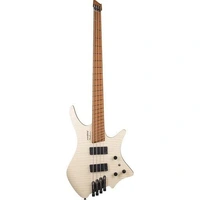
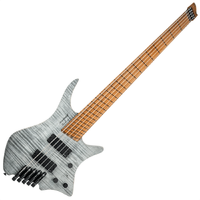
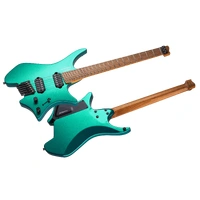
EHB (Ergonomic Headless Bass) models showcase Ibanez's innovation with headless designs featuring compact proportions, modern aesthetics, and weight distribution that creates perfect balance. The headless construction eliminates neck dive common on traditional basses while reducing overall length for easier transport. Detachable Velcro leg rest systems provide stable playing positions whether sitting or standing. Ibanez Soundgear Workshop models bring SR specifications to entry-level prices, providing beginners with quality instruments featuring proper setup and playability.
ESP LTD bass guitars deliver professional specifications through efficient manufacturing in Korea and Indonesia. The AP (Alder Precision) series provides modern interpretations of classic P-bass designs with alder bodies, active pickups, and contemporary appointments. AP models suit rock and metal bassists seeking thick, powerful tone with modern playability enhancements. The B series offers traditional designs with passive pickups delivering vintage-inspired tone, while Stream models employ neck-through construction for maximum sustain and resonance.
ESP E-II bass guitars represent the company's premium line with Japanese craftsmanship, hand-selected woods, and meticulous quality control. E-II models feature premium appointments including Gotoh hardware, custom ESP pickups, and setup standards rivaling custom shop instruments. The E-II series demonstrates how modern manufacturing can deliver boutique-quality basses at prices below traditional custom shop instruments.
Specialized manufacturers including Cort, Spector, and Hagstrom offer distinctive approaches to bass guitar design that appeal to players seeking alternatives to mainstream manufacturers. Additionally, Jet Guitars provides entry-level instruments for beginning bassists on tight budgets.
Cort bass guitars deliver exceptional value across multiple price points through the company's extensive manufacturing experience and quality control systems. The Action series provides entry-level PJ (Precision/Jazz) configuration combining P-bass and J-bass pickups in versatile instruments suitable for beginners. These basses feature solid construction, reliable hardware, and enough tonal versatility to support skill development across multiple musical styles. Action DLX models add active electronics and premium appointments while maintaining accessible pricing.
The GB series includes Gene Simmons and Geezer Butler inspired models featuring passive electronics and punchy rock tone optimized for hard rock and metal applications. GB basses demonstrate Cort's ability to create artist-inspired instruments at prices significantly below signature models from other manufacturers. Cort Artisan series represents the company's premium offering with figured tops, active Bartolini electronics, and build quality challenging instruments at substantially higher prices. Artisan models feature swamp ash or mahogany bodies with figured maple tops, providing both visual appeal and tonal complexity.
Spector bass guitars feature the company's distinctive curved NS (New Standard) body shape that provides ergonomic comfort with enhanced upper fret access. The curved design creates comfortable playing positions whether sitting or standing while the extended cutaway allows unrestricted access to all frets. Spector Legend series utilizes bolt-on neck construction with active EMG pickups and Tonepump preamp, delivering aggressive modern tone with comprehensive EQ control. The active electronics provide punchy attack, tight low-end response, and aggressive midrange character suited to rock and metal applications.
Spector Euro series employs neck-through construction with premium woods and advanced electronics, representing the company's flagship offering. Euro models feature maple/walnut neck-through construction creating exceptional sustain and resonance, while the active tone circuits provide comprehensive tone shaping capability. All Spector basses share the distinctive curved body aesthetic and powerful modern voicing that has made them popular among metal and hard rock bassists.
Hagstrom bass guitars bring Swedish innovation to the bass market with proprietary construction techniques and distinctive aesthetics. The company's H-Expander truss rod system provides exceptional neck stability through dual compression rods that resist both forward and backward bow. This unique system maintains straight neck geometry across temperature and humidity variations that would affect traditional single-rod designs. Hagstrom's resonator fretboard technology incorporates sustain-enhancing materials in the fretboard construction, increasing harmonic content and note duration.
Northen series models provide Viking-inspired semi-hollow designs with vintage aesthetics and modern playability. These instruments appeal to players seeking distinctive visual character combined with versatile tone suitable for rock, blues, and jazz applications. Jet bass guitars offer entry-level quality at prices accessible to beginning bassists, featuring solid construction, reliable hardware, and simple passive electronics. These instruments serve as excellent first basses for students and casual players who need playable instruments without substantial investment.
Understanding bass pickup types and electronic configurations helps players select instruments matching their tonal requirements and musical styles. Bass pickups operate on the same electromagnetic principles as guitar pickups but are optimized for lower frequencies with wider magnetic fields and different winding specifications that emphasize fundamental note reproduction over harmonic complexity.
Precision (P-bass) style split-coil pickups deliver powerful fundamental tone with thick midrange character and the classic rock, soul, and Motown sound that has defined bass tone since the 1950s. The split-coil design places two coil sections offset from each other, with each section covering two strings. This configuration provides hum-canceling operation while delivering strong fundamental response with controlled overtones. P-bass pickups excel for supportive bass playing where the fundamental note matters more than harmonic complexity or aggressive attack. The thick midrange helps bass lines sit prominently in mixes without requiring excessive volume.
Jazz (J-bass) style single-coil pickups provide bright, articulate tone with scooped midrange, enhanced treble response, and the characteristic growl that defines funk and fusion bass playing. J-bass designs employ two single-coil pickups—one near the bridge for aggressive attack and one near the neck for warm, round tone. Players blend these pickups using individual volume controls to create diverse sounds ranging from pure bridge pickup brightness through balanced blends to warm neck pickup tones. The bridge pickup alone delivers punchy, aggressive character ideal for slap bass techniques, while the neck pickup provides smooth, warm tone suited to melodic playing and walking bass lines.
PJ (Precision/Jazz) configurations combine P-bass and J-bass pickups in single instruments, providing the thick fundamental power of P-bass pickups with the clarity and attack of J-bass bridge pickups. This versatile setup, featured across many Cort, Ibanez, and other manufacturers' models, allows players to access P-bass and J-bass tones plus blended sounds combining elements of both. PJ basses excel for players who require diverse tones for different songs or musical situations within single performances.
Dual humbucker configurations provide modern, aggressive voicing with enhanced output and comprehensive noise rejection. Music Man popularized this approach with large humbucking pickups that deliver powerful fundamental response, tight low-end control, and aggressive midrange character. The humbucking design eliminates 60-cycle hum even under extreme gain, making these pickups popular for rock and metal applications where high volume and heavy processing occur.
Soapbar pickups, featured on many Ibanez SR and other modern instruments, provide wide frequency response with smooth, even tone across the spectrum. The large pickup housings accommodate various internal configurations including split-coil, dual-coil, or even triple-coil designs. Soapbar housings' visual uniformity allows manufacturers to use different internal configurations while maintaining consistent aesthetics across model ranges.
Active versus passive electronics represents a fundamental choice affecting tone, playing feel, and maintenance requirements. Active preamps require 9-volt battery power but provide boost/cut EQ controls, enhanced output for driving amplifiers and effects, and consistent tone with reduced noise. The active buffering prevents tone loss through long cables while the EQ controls allow comprehensive tone shaping without external processing. Active basses generally deliver more controlled, focused tone with tight low-end response compared to passive alternatives.
Passive electronics require no battery power and deliver organic, vintage character with dynamic playing response that varies according to pick attack and playing intensity. Passive basses provide natural compression and warmth that many players prefer for traditional genres including blues, soul, and classic rock. The simpler circuitry maintains purity between pickups and output, though passive designs lose high frequencies through long cable runs and can sound dull through some amplifiers. Many modern basses including Sadowsky MetroLine models provide active/passive switching, allowing players to access both active and passive tones from single instruments.
String configuration selection significantly impacts playability, tonal range, and musical versatility. While 4-string basses remain the standard for traditional applications, extended-range 5-string and 6-string instruments have become increasingly common across modern musical styles that require expanded low-end response or upper register capabilities.
4-string bass guitars tuned E-A-D-G provide the standard configuration that covers the vast majority of bass playing situations across all musical genres. The 4-string format offers several advantages including narrower neck dimensions that facilitate comfortable playing, reduced string spacing that allows faster technical playing, simpler harmonic thinking without additional lower or higher strings, and the fundamental simplicity that many players prefer. Traditional 34-inch scale 4-string basses deliver balanced tension across all strings with the low-E providing sufficient fundamental response for most rock, pop, jazz, and funk applications.
5-string bass guitars add a low-B string below the standard low-E, extending the instrument's range down a perfect fourth and providing access to notes that would require detuning on 4-string instruments. The low-B string benefits modern rock and metal styles that employ dropped tunings, allowing bassists to maintain standard fingering patterns while accessing the extended low range guitarists achieve through drop-D or lower tunings. Contemporary worship music, modern country, and hip-hop influenced pop also frequently utilize the extended low range 5-string basses provide.
Proper 5-string bass design requires attention to scale length, string spacing, and pickup configuration to ensure the low-B maintains fundamental clarity without flabbiness. 35-inch scale lengths, featured on many modern 5-string instruments including Ibanez BTB and premium models from other manufacturers, provide enhanced string tension that improves low-B definition and intonation accuracy. The increased scale length creates tighter fundamental response with reduced harmonic muddiness that can plague shorter-scale 5-string designs.
String spacing on 5-string basses affects playability and technique compatibility. Standard spacing maintains similar string-to-string distances as 4-string basses, creating wider overall neck dimensions that some players find unwieldy. Narrow spacing reduces overall neck width for more comfortable playing but places strings closer together, potentially complicating slap bass techniques and fingerstyle accuracy. Most manufacturers offer both spacing options across their 5-string ranges, allowing players to select based on hand size and playing style preferences.
6-string bass guitars add both low-B below the E and high-C above the G, creating instruments spanning four octaves from B0 to C4 and beyond. The extended upper register allows chordal playing, melody work in higher positions, and solo capabilities that approach guitar range. 6-string basses appeal to fusion players, session musicians who require maximum versatility, and solo bassists who incorporate extensive upper-register work. The wider necks and increased string count create challenges including wider left-hand stretches, more complex harmonic thinking, and potential for excessive overtones that require careful muting technique.
Players considering extended-range instruments should honestly assess their musical requirements and playing situations. While 5-string and 6-string basses provide expanded capabilities, many professional bassists continue using 4-string instruments exclusively, finding that proper technique and musical judgment matter more than extended range. Beginning bassists should generally start with 4-string instruments to develop fundamental technique before exploring extended-range options, though players whose primary musical context consistently requires low-B access may benefit from starting directly on 5-string instruments.
Acoustic bass guitars provide bass frequency support for unplugged performances, songwriting sessions, and musical situations where electric bass amplification proves impractical. These instruments combine traditional acoustic guitar construction principles with the scale length, string gauge, and tuning of electric bass, creating unique instruments that occupy a specialized niche between acoustic guitars and electric basses.
Alvarez acoustic bass guitars in our collection feature solid spruce or cedar tops paired with laminate back and sides, creating instruments that balance acoustic projection with durability and affordability. The solid tops provide the resonance and tonal complexity necessary for acoustic instruments while the laminate back and sides resist the structural stresses created by heavy-gauge bass strings' substantial tension. Most models include cutaway designs allowing comfortable upper fret access plus integrated electronics with onboard preamps, EQ controls, and built-in tuners.
Acoustic bass guitars face fundamental physics challenges that limit their effectiveness compared to electric basses or traditional upright basses. The low frequencies bass instruments produce require substantial air volume movement for adequate acoustic projection, yet acoustic bass guitar bodies remain far smaller than upright basses that generate authentic acoustic bass tone. Consequently, acoustic bass guitars produce noticeably less volume than acoustic guitars, making them suitable primarily for quiet practice, intimate performances with other acoustic instruments, or amplified applications where their acoustic character enhances tone.
Body size significantly impacts acoustic bass guitar volume and tone, with larger jumbo and dreadnought bodies generating more projection than smaller designs. However, even jumbo acoustic basses struggle to match acoustic guitar volume, requiring amplification for most ensemble situations. The integrated electronics on most acoustic basses recognize this reality, providing proper amplification systems that capture the instruments' acoustic character while adding sufficient output for performance applications.
Scale length on acoustic basses typically matches electric bass standards at 34 inches, ensuring proper string tension and familiar fret spacing for players transitioning between electric and acoustic instruments. Some manufacturers offer short-scale acoustic basses measuring 30-32 inches for enhanced playability and reduced overall size, though the shorter scales create slightly reduced string tension that can affect tone and playing feel. String selection matters significantly on acoustic basses, with phosphor bronze acoustic bass strings providing brighter tone and enhanced projection compared to roundwound electric bass strings.
Acoustic bass guitars serve specific applications including unplugged singer-songwriter performances, acoustic jam sessions, practice situations where amplification proves impractical, and studio recording where their unique character adds textural variety. These instruments excel when their limitations are understood and their distinctive voice is embraced rather than expecting them to replicate electric or upright bass tone and volume. Players seeking authentic upright bass tone should consider actual upright basses or electric upright bass (EUB) instruments rather than expecting acoustic bass guitars to deliver that character.
Perfect for beginners and budget-conscious players. Features Jet bass guitars, Cort Action series, Ibanez Soundgear Workshop, and Schecter Omen series. These bass guitars deliver solid construction, reliable hardware, and versatile pickup configurations. Proper setup ensures comfortable playability supporting skill development. PJ and dual pickup configurations provide tonal versatility across multiple genres. Ideal for students, developing players, and anyone seeking quality entry-level instruments.
Serious instruments for committed players. Includes Schecter Stiletto series, Ibanez SR Standard, Cort Artisan, ESP LTD, and Warwick RockBass. Active electronics with comprehensive EQ, premium hardware, superior fretwork. Many feature exotic woods, upgraded pickups, 5-string configurations. These bass guitars handle professional applications while remaining accessible to serious hobbyists and working musicians.
Premium instruments for serious players and touring musicians. Features Schecter Diamond series, Warwick Corvette/Streamer, Sadowsky MetroExpress/MetroLine, Music Man StingRay/Sterling, Spector Legend/Euro, Ibanez BTB Premium, and ESP E-II. Hand-selected tonewoods, premium Bartolini, EMG, or proprietary pickups, meticulous craftsmanship. Recording and touring-grade performance.
Flagship instruments representing manufacturing pinnacle. Warwick Thumb/Streamer German, Sadowsky NYC handmade, Music Man premium USA models, and high-end Spector Euro variants. Exotic tonewoods, hand-wound pickups, custom shop attention, individualized setup. Investment-grade instruments maintaining value while delivering uncompromising performance. Limited production, custom configurations, signature artist models.
Proper setup transforms adequate bass guitars into excellent instruments while poor setup ruins even premium models. Bass guitars require specific setup considerations beyond standard guitar work due to heavier string gauges, longer scale lengths, and different playing techniques. Every bass leaving our Altona showroom receives professional setup attention from our experienced bass guitar repair technicians, but understanding basic maintenance helps players maintain optimal playability between professional services.
Our experienced bass guitar repair technicians provide professional setup and repair services for all bass guitars. Beyond the initial setup included with purchase, we offer ongoing maintenance including action adjustment optimized for bass playing styles, intonation correction across extended scale lengths, truss rod adjustment accounting for heavier string tension, fret leveling and polishing meeting bass-specific requirements, electronics troubleshooting for active and passive systems, pickup height optimization for proper magnetic field positioning, and complete restoration work. This hands-on repair expertise ensures our staff recommendations come from genuine understanding of bass guitar construction, electronics, and playability requirements specific to bass instruments. Contact us at (03) 8360 7799 to discuss bass guitar setup or repair needs.
Action height on bass guitars directly impacts playability, tone quality, and technical facility. Lower action facilitates faster playing and reduces left-hand fatigue but increases fret buzz risk and may compromise sustain and fundamental tone clarity. Higher action provides cleaner tone with enhanced fundamental response and sustain at the cost of requiring more finger pressure and potentially slowing technical playing. Our technicians set bass action according to playing style, string gauge, and musical applications, with slap bass players often requiring slightly higher action to accommodate aggressive right-hand technique while fingerstyle players may prefer lower settings for easier fretting and faster passages.
Intonation accuracy proves particularly critical on bass guitars where small pitch discrepancies become more audible due to longer string lengths and lower frequencies. Proper intonation adjustment ensures fretted notes at the 12th fret match open string pitches exactly, with additional verification at other positions ensuring accurate tuning across the fretboard. Bass guitar intonation requires precise saddle positioning accounting for string gauge, playing technique, and individual instrument characteristics. Five-string and six-string basses present additional intonation challenges requiring careful attention to each string's individual requirements.
Neck relief on bass guitars requires careful adjustment balancing playability against tonal quality. The heavier string tension on bass guitars creates greater stress on neck structures compared to standard guitars, requiring properly adjusted truss rods to maintain appropriate relief. Most bass guitars benefit from slight forward bow creating clearance for string vibration in middle frets while maintaining manageable action at nut and high fret positions. Seasonal humidity variations affect wood movement requiring periodic relief adjustments to maintain optimal playability. Significant neck adjustments should be performed by qualified technicians to avoid damage.
String selection dramatically impacts bass guitar tone, playability, and setup requirements. Roundwound strings provide bright, aggressive tone with pronounced harmonic content and the characteristic zing that defines modern electric bass sound. The textured outer wrap creates finger noise during position shifts but delivers maximum brightness and sustain. Flatwound strings feature smooth outer wrapping that eliminates finger noise while providing warm, dark tone with reduced harmonics and the vintage character associated with classic soul, Motown, and jazz bass playing. Halfwound (groundwound) strings split the difference, offering smoother feel than roundwounds with more brightness than flatwounds.
String gauge affects tension, tone, and playability significantly. Light gauge bass strings facilitate easier fretting and faster technical playing but may sound thin and lack sustain on larger instruments or in low-tuned applications. Medium gauge strings provide fuller tone with enhanced sustain while requiring slightly more finger strength. Heavy gauge strings generate maximum tone and sustain but need properly adjusted setups to remain playable. Five-string bass players must select appropriate low-B string gauges—typically .125 or .130—to maintain proper tension and fundamental clarity. Extended-range instruments and dropped tunings often benefit from heavier gauges maintaining proper tension on detuned strings.
Electronics maintenance on bass guitars involves periodic cleaning of potentiometers, switches, pickup selector mechanisms, and output jack connections. Scratchy volume or tone controls often respond to electronic contact cleaner application while loose output jacks require tightening to prevent signal dropouts and intermittent connection issues. Active bass systems require fresh 9-volt batteries, with many players changing batteries on regular schedules regardless of actual battery life to prevent mid-performance failures. Battery life indicators on some active basses alert players to low battery conditions before complete failure occurs. Passive pickup systems require no power and remain functional indefinitely barring physical damage. Our bass guitar repair technicians can diagnose electronics issues, replace worn components, upgrade pickups or preamps, and optimize pickup height for proper magnetic field positioning.
Our staff are working bassists with extensive experience across rock, metal, jazz, and funk styles. We understand pickup differences, can explain how scale lengths affect playability, and help match you with bass guitars suited to your musical direction. Our bass guitar repair and setup expertise means we understand these instruments from the inside out. Call us on (03) 8360 7799 to discuss Schecter versus Warwick, active versus passive electronics, 4-string versus 5-string configurations, or any questions about bass guitar selection.
Visit our showroom at 4-6 Drake Boulevard, Altona to play our complete bass guitar range through quality bass amplification. Experience how Warwick Corvettes differ from Music Man StingRays, compare Sadowsky against Ibanez SR models, and feel how different neck profiles and string spacings suit your playing. We maintain relaxed environments where you can spend time finding your ideal bass through hands-on comparison.
We price match authorized Australian retailers and provide local warranty support for all bass guitars sold. Purchase from us knowing you'll receive ongoing assistance with setup adjustments, maintenance, or warranty service from our experienced bass guitar repair technicians. Our relationships with Schecter, Warwick, Sadowsky, Music Man, and other manufacturers ensure proper warranty coverage. Call (03) 8360 7799 for current bass guitar pricing and stock availability.
Melbourne metro customers enjoy same-day pickup options. We ship bass guitars Australia-wide with professional packaging ensuring safe arrival of these delicate instruments. Full insurance coverage protects your investment during transit. Regional customers receive identical expert advice through phone consultations at (03) 8360 7799. We ship Schecter, Warwick, Sadowsky, and all brands nationwide with proper neck support and protective packaging.
For beginners, we recommend starting with quality 4-string bass guitars in the $400-$700 range featuring solid construction, reliable hardware, and versatile pickup configurations. The Cort Action series provides excellent value with PJ pickup configurations delivering versatile tone suitable for multiple genres, comfortable neck profiles accommodating various hand sizes, and proper setup ensuring playable action from the start. The Ibanez Soundgear Workshop (GSRM) series offers lightweight bodies with thin, fast-playing necks ideal for players with smaller hands or those transitioning from guitar. Schecter Omen bass guitars deliver Schecter quality at entry-level prices with passive pickups providing organic tone and simple controls supporting fundamental skill development. We generally recommend 4-string basses for beginners as the narrower necks facilitate easier learning, though players whose primary musical context consistently requires low-B access may benefit from starting directly on 5-string instruments. Visit our Altona showroom at 4-6 Drake Boulevard to try different bass guitars and determine which neck profile, body weight, and string spacing suit your physical proportions and playing comfort. Our staff can assess your requirements and ensure you start with a properly set-up instrument supporting skill development rather than creating obstacles. Call (03) 8360 7799 to discuss beginner bass guitar options and current stock availability.
The choice between 4-string and 5-string bass guitars depends on your musical requirements, playing experience, and genre focus. 4-string basses tuned E-A-D-G cover the vast majority of bass playing situations across rock, pop, jazz, funk, and traditional musical styles. The narrower neck dimensions facilitate comfortable playing, reduced string spacing allows faster technical execution, and simpler harmonic thinking helps developing players focus on fundamental bass concepts without additional complexity. Most professional bassists including many touring and session players use 4-string basses exclusively, demonstrating that extended range matters less than proper technique and musical judgment. However, 5-string basses adding low-B below the standard E provide significant advantages for specific applications including modern rock and metal styles employing dropped tunings, contemporary worship music utilizing extended low range, modern country and hip-hop influenced pop frequently accessing notes below low-E, and musical situations where detuning would prove impractical. The low-B allows bassists to maintain standard fingering patterns while accessing extended range guitarists achieve through drop-D or lower tunings. Proper 5-string design requires 35-inch scale lengths for enhanced low-B tension and clarity, wider neck dimensions accommodating the additional string, and careful setup ensuring the low-B maintains fundamental definition without flabbiness. Beginning bassists should generally start with 4-string instruments to develop fundamental technique unless their primary musical context consistently requires low-B access. Players can always transition to 5-string later after establishing solid technical foundation. Visit our Altona showroom to compare 4-string and 5-string neck dimensions, string spacing, and overall feel, determining which configuration suits your hand size, playing style, and musical requirements.
Active and passive bass pickups serve different tonal philosophies and musical applications. Active systems require 9-volt battery power but provide onboard preamps with boost/cut EQ controls, enhanced output for driving amplifiers and effects, consistent tone with reduced noise, and comprehensive tone shaping without external processing. The active buffering prevents high-frequency loss through long cables while EQ controls allow precise tone adjustment for different musical contexts. Active basses like Ibanez SR models, Schecter Stiletto series, and Music Man StingRays deliver controlled, focused tone with tight low-end response suited to modern rock, metal, and contemporary styles. However, active electronics require battery maintenance with potential for mid-performance failures if batteries die unexpectedly. Passive electronics require no battery power and deliver organic, vintage character with dynamic playing response varying according to pick attack and playing intensity. Passive basses provide natural compression and warmth that many players prefer for traditional genres including blues, soul, classic rock, and jazz. The simpler circuitry maintains purity between pickups and output, though passive designs lose high frequencies through long cable runs. Many modern basses including Sadowsky MetroLine models provide active/passive switching, allowing players to access both active tone shaping and passive organic character from single instruments. Choose active electronics for modern tone with comprehensive EQ control and consistent output, or select passive designs for vintage character, dynamic response, and no battery maintenance. Consider your primary musical styles, performance requirements, and tonal preferences when deciding between active and passive systems.
Warwick bass guitars distinguish themselves through German craftsmanship, proprietary wood combinations, and distinctive tonal character that has made them favorites among professional bassists since 1982. Warwick's unique voice comes from exotic wood pairings including wenge necks providing dense, stable construction with naturally oily feel requiring no finish, ovangkol fretboards delivering smooth playing surfaces with distinctive grain patterns, and bodies featuring bubinga, ash, or swamp ash often topped with figured maple. These wood combinations create tonal characteristics unavailable from traditional bass guitar woods, with enhanced midrange presence, tight low-end response, and aggressive attack suited to modern rock and metal applications. The Streamer series utilizes neck-through construction maximizing sustain and resonance, while Corvette models employ bolt-on designs creating more aggressive attack. The Thumb series features asymmetrical body shaping and compact proportions creating unique ergonomics. All Warwick basses incorporate Just-A-Nut adjustable zero fret systems optimizing open string tone and sustain while MEC active pickups and preamps deliver the focused, aggressive character associated with the brand. Warwick's bell brass frets on premium models provide enhanced sustain and smooth playing feel compared to traditional nickel-silver frets. The wenge necks' natural oil content creates playing surfaces that feel broken-in from new without requiring additional finish. Warwick RockBass series brings Warwick specifications to more accessible prices through Asian manufacturing, delivering authentic Warwick character for players on budgets. Visit our Altona showroom to experience Warwick's distinctive feel and aggressive modern tone that sets these German instruments apart from American and Asian alternatives.
Music Man bass guitars justify their premium pricing through American manufacturing excellence, innovative designs, proprietary electronics, and the distinctive tone that has made them studio and touring standards since the 1970s. The StingRay represents one of the most recognizable and recorded bass tones in popular music, with its single large humbucker positioned near the bridge and powerful 3-band active EQ delivering punchy, aggressive character that cuts through dense mixes. The neodymium pickups provide enhanced output and frequency response compared to traditional ceramic or alnico designs while the active preamp offers substantial boost/cut ranges allowing dramatic tone shaping from deep, warm sounds through bright, cutting tones. Music Man's build quality reflects California craftsmanship with precision fretwork, stable neck construction, and hardware designed for professional touring demands. The asymmetrical 6-bolt neck attachment provides exceptional sustain and resonance transfer while facilitating easy neck angle adjustment if needed. Sterling models provide StingRay voicing in slightly smaller bodies at more accessible prices, while Bongo basses feature radical body shapes with dual humbuckers and 4-band EQ for even more comprehensive tone control. The substantial price premium over import alternatives reflects genuine manufacturing differences including hand-assembly in California, premium component selection, and quality control meeting American professional standards. Players seeking the specific StingRay voice for funk, pop, and rock applications will find Music Man basses deliver authentic tone unavailable from alternatives, while those prioritizing value may prefer import instruments offering different but equally valid approaches to bass tone. Visit our Altona showroom to experience Music Man's punchy, aggressive character and exceptional build quality, determining whether the distinctive tone and American craftsmanship justify the premium pricing for your specific requirements.
P-bass (Precision) and J-bass (Jazz) pickups represent two fundamental approaches to electric bass tone that have defined bass guitar sound since the 1950s and 1960s respectively. P-bass split-coil pickups deliver powerful fundamental tone with thick midrange character and the classic rock, soul, and Motown sound. The split-coil design positions two offset coil sections covering two strings each, providing hum-canceling operation while delivering strong fundamental response with controlled overtones. P-bass pickups excel for supportive bass playing where the fundamental note matters more than harmonic complexity, with thick midrange helping bass lines sit prominently in mixes without requiring excessive volume. The P-bass voice suits rock, punk, reggae, and traditional styles emphasizing fundamental groove over complex harmonics. J-bass dual single-coil pickups provide bright, articulate tone with scooped midrange, enhanced treble response, and the characteristic growl defining funk and fusion bass playing. The dual pickup configuration places one single-coil near the bridge for aggressive attack and one near the neck for warm, round tone, with players blending these using individual volume controls. Pure bridge pickup delivers punchy, aggressive character ideal for slap bass techniques, while neck pickup alone provides smooth, warm tone suited to melodic playing. Most players use both pickups blended, creating the signature J-bass scooped midrange with present highs and lows. PJ configurations combine both pickup types in single instruments, providing P-bass fundamental power plus J-bass clarity and attack. This versatile setup allows players to access P-bass and J-bass voices plus blended sounds combining elements of both, making PJ basses popular for players requiring diverse tones for different musical situations. Choose P-bass pickups for thick, supportive fundamental tone, select J-bass for bright, articulate growl, or opt for PJ configuration maximizing versatility across multiple genres and playing styles.
Budget allocation for bass guitars depends on skill level, commitment, and intended usage. Absolute beginners uncertain about long-term commitment can start with instruments in the $300-$500 range including Jet bass guitars and entry-level Cort Action series, which provide playable quality without substantial investment. However, we strongly recommend budgeting $400-$700 when possible, as instruments in this bracket including Schecter Omen, Ibanez Soundgear Workshop, and mid-range Cort models offer significantly better playability, build quality, and tonal versatility that won't impede skill development. Intermediate players and serious hobbyists should consider $700-$2,000 instruments featuring enhanced specifications like Schecter Stiletto series, Ibanez SR Standard, Cort Artisan, and ESP LTD models. These bass guitars deliver professional-grade tone and playability suitable for recording and performance applications. Advancing players, working musicians, and recording artists benefit from $2,000-$5,000 instruments including Warwick Corvette/Streamer, Sadowsky MetroExpress/MetroLine, Music Man StingRay, and premium Spector Euro models. Remember that proper setup and playability matter more than brand names, particularly for developing players who benefit most from comfortable, well-maintained instruments with appropriate action height and intonation. Our bass guitar repair technicians ensure every instrument leaving our showroom performs optimally regardless of price point.
Sadowsky bass guitars are renowned for Roger Sadowsky's vision of the ultimate modern bass combining vintage J-bass aesthetics with contemporary performance and reliability. Sadowsky instruments represent the gold standard for professional session work and touring applications, favored by countless studio musicians and touring bassists for their versatility, consistency, and ability to sit perfectly in mixes across diverse musical contexts. The Sadowsky approach emphasizes vintage-inspired passive pickup voicing enhanced by the company's signature active preamp—a simple but highly effective 2-band bass/treble boost-only system. Unlike traditional cut/boost EQ designs, the Sadowsky preamp provides boost-only controls that enhance rather than color the fundamental passive tone. This design philosophy preserves the pickups' natural character while adding punch, clarity, and presence when needed, with a passive mode bypass switch allowing pure passive tone. MetroExpress models feature passive-only configurations delivering vintage-inspired tone with modern reliability, while MetroLine variants incorporate the active preamp for enhanced versatility. Sadowsky NYC handmade instruments represent the pinnacle with hand-selected woods, custom shop craftsmanship, and Roger Sadowsky's personal attention to setup and voicing. Build quality across all Sadowsky models reflects meticulous attention to detail including premium hardware, precise fretwork, and setup standards ensuring optimal playability. The 34-inch scale and vintage J-bass inspired body shapes provide familiar feel while modern appointments including 22-fret necks and high-mass bridges enhance performance capabilities. Sadowsky basses excel in studio environments where versatility, consistency, and ability to cover diverse tonal requirements matter most, though they prove equally capable for live performance across multiple genres. Visit our Altona showroom to experience why Sadowsky basses have become session player standards, delivering vintage character with modern reliability and the distinctive active/passive switching versatility.
The choice between roundwound and flatwound bass strings depends on your tonal preferences, playing style, and musical applications. Roundwound strings feature textured outer wrapping that creates bright, aggressive tone with pronounced harmonic content and the characteristic zing defining modern electric bass sound. The round outer wrap allows maximum string-to-fret and string-to-finger contact, generating harmonics and overtones that provide clarity and definition. Roundwounds excel for slap bass techniques, modern rock and metal styles requiring aggressive attack, funk playing emphasizing percussive character, and any application where brightness and harmonic complexity matter. However, the textured surface creates finger noise during position shifts—some players appreciate this organic sound while others find it distracting. Roundwound strings also wear frets faster than flatwound alternatives due to increased friction between string and fret. Flatwound strings feature smooth outer wrapping that eliminates finger noise while providing warm, dark tone with reduced harmonics and the vintage character associated with classic soul, Motown, and jazz bass playing. The smooth surface creates mellow tone emphasizing fundamental notes over overtones, with reduced string squeak and minimal fret wear. Flatwounds suit traditional genres including blues, soul, reggae, and jazz where supportive bass lines matter more than aggressive attack or complex harmonics. The smooth feel facilitates faster playing for some bassists while the reduced fret wear benefits vintage instruments with original frets. However, flatwounds generally cost more than roundwounds and some players find the dark tone lacks presence in modern mixes. Halfwound (groundwound) strings split the difference, featuring outer wraps ground partially flat providing smoother feel than roundwounds with more brightness than flatwounds. Consider your primary musical styles, tonal preferences, and whether you value vintage warmth or modern brightness when selecting string types. Many bassists maintain multiple instruments strung with different string types for diverse musical situations.
Visit Angkor Music Melbourne at 4-6 Drake Boulevard, Altona to experience our complete selection of bass guitars hands-on through quality bass amplification. Our showroom features relaxed, unpressured environments where you can spend time comparing Schecter, Warwick, Sadowsky, Music Man, Ibanez, ESP, Cort, and Spector across multiple price points. Our staff are working bassists with bass guitar repair and setup expertise who understand pickup differences, scale length variations, neck profile characteristics, and hardware specifications, providing guidance based on genuine playing experience rather than sales pressure. We encourage customers to bring their own bass guitars for direct comparison, test instruments through quality bass amplification at appropriate volumes, and take whatever time necessary to make informed decisions. The showroom includes testing areas where you can evaluate bass guitars through proper amplification without distraction. We stock instruments from $300 entry-level models through $5,000+ professional bass guitars, ensuring comprehensive selection regardless of budget. Regional customers unable to visit can call (03) 8360 7799 for phone consultations with our bass specialists, though we strongly recommend hands-on evaluation when possible given how significantly neck profiles, body weights, and string spacings vary between models and manufacturers. We're open during standard business hours and can arrange appointments for serious buyers requiring dedicated time with our bass guitar experts. Our Altona location offers convenient access from Melbourne metro areas with parking available. Call ahead to confirm specific bass guitar models are in stock or to schedule dedicated consultation time with our experienced bass guitar specialists who understand the unique requirements of bass instruments.
Visit our Altona showroom to experience Schecter, Warwick, Sadowsky, Music Man, Ibanez, ESP, Cort, and Spector bass guitars hands-on through quality bass amplification. Our expert staff with bass guitar repair and setup expertise are here to help you make the right choice.
Angkor Music Melbourne | 4-6 Drake Boulevard, Altona VIC 3018 | Serving Melbourne bassists since 1976
Angkor Music Melbourne stocks extensive bass guitar selection featuring Schecter, Warwick, Sadowsky, Music Man, Ibanez, ESP, Cort, Spector, Hagstrom, Jet, and Alvarez acoustic bass guitars across all price points from entry-level through professional instruments with expert staff providing guidance based on decades of combined playing and bass guitar repair experience since 1976. Bass guitar construction fundamentals: solid body electric bass guitars provide foundation for modern bass tone with body woods contributing mass resonance sustain characteristics. Ash bodies deliver bright articulate tone with enhanced treble response ideal for slap funk playing, alder provides balanced frequency response warm smooth character, mahogany offers thick warm midrange with natural compression, maple bodies create bright snappy attack with tight low-end response. Neck construction methods: bolt-on necks bright punchy attack easy maintenance replacement common on Fender-style instruments, set-neck construction enhanced sustain smooth playing feel improved upper fret access, neck-through designs maximum sustain resonance transfer popular on high-end instruments from Warwick Schecter Spector extending neck wood through entire body length creating seamless construction. Scale length affects string tension fret spacing tonal character: standard 34-inch scale most common providing balanced tension across all strings, 35-inch long scale tighter string tension enhanced low-B fundamental on 5-string basses improved clarity definition, short scale 30-32 inches reduced string tension easier playability vintage feel smaller proportions, super long scale 36-inch or longer extended-range instruments low tunings. Schecter bass guitars premium features accessible prices: Stiletto series mahogany bodies maple tops active EMG pickups 3-band EQ gothic styling $900-$1,500, Omen series entry-level solid construction passive pickups reliable hardware beginner-friendly specifications $450-$700, Diamond series premium appointments quilted maple tops Grover tuners advanced electronics $1,200-$2,000, extended-range 5-string 6-string configurations available across multiple series. Warwick bass guitars German craftsmanship distinctive character: Streamer models neck-through construction MEC pickups active electronics balanced tone $2,500-$4,500, Corvette bolt-on designs aggressive attack punchy midrange $1,800-$3,000, Thumb neck-through ergonomic body shape distinctive wenge neck ovangkol fretboard unique tonal signature $3,000-$5,000, RockBass series affordable Warwick specifications Asian manufacturing $800-$1,500, all models feature adjustable Just-A-Nut zero fret systems. Sadowsky bass guitars boutique performance: MetroExpress series passive pickups vintage-inspired tone modern reliability $2,000-$2,800, MetroLine active preamp Sadowsky signature sound enhanced clarity punch $2,800-$3,500, handmade NYC models custom shop craftsmanship hand-selected woods Roger Sadowsky personal attention $6,000-plus, all feature 34-inch scale vintage J-bass inspired body shapes modern playability enhancements. Music Man bass guitars American excellence: StingRay classic single humbucker 3-band active EQ punchy aggressive tone $2,500-$3,500, Sterling compact body dimensions similar electronics accessible price $1,800-$2,500, Bongo distinctive body shape dual humbuckers 4-band EQ comprehensive tonal control $3,000-$4,000, all models feature neodymium pickups active preamps exceptional build quality. Ibanez bass guitars modern design versatility: SR series thin fast necks lightweight bodies active electronics $500-$2,000, BTB series premium appointments ash/mahogany bodies Bartolini pickups 3-band EQ $1,200-$2,500, EHB ergonomic headless designs modern aesthetics advanced features $1,500-$2,500, GVB Gerald Veasley signature hollow body jazz bass specifications $1,800-$2,800, Soundgear workshops entry-level SR specifications beginner-friendly pricing $400-$600. ESP bass guitars professional specifications: LTD AP series alder bodies active pickups modern rock metal voicing $800-$1,200, LTD B series traditional designs passive pickups vintage-inspired tone $600-$900, LTD Stream neck-through construction premium appointments $1,500-$2,200, E-II series Japanese craftsmanship hand-selected woods premium electronics $2,000-$3,500. Cort bass guitars exceptional value: Action series PJ configuration versatile tone solid construction $400-$600, GB series Gene Simmons Geezer Butler inspired passive electronics punchy rock tone $500-$800, Artisan series premium appointments active Bartolini electronics figured tops $1,200-$1,800, Rithimic Jeff Berlin signature fretless fretted models advanced features $1,500-$2,200. Spector bass guitars distinctive curve: Legend series bolt-on construction active EMG pickups aggressive modern tone $1,200-$1,800, Euro series neck-through premium woods advanced electronics $2,500-$4,000, NS body shape ergonomic design enhanced upper fret access, all models feature active tone circuits comprehensive EQ control. Hagstrom bass guitars Swedish innovation: Northen series Viking semi-hollow construction vintage aesthetics modern playability $1,200-$1,800, H-Expander truss rod system exceptional neck stability, resonator fretboard technology enhanced sustain harmonic content. Jet bass guitars entry-level quality: solid construction reliable hardware passive pickups beginner-friendly specifications $300-$500, PJ configurations Jazz Bass Precision Bass inspired designs, ideal first bass guitars students casual players. Alvarez acoustic bass guitars: solid tops laminate back sides built-in electronics $500-$900, cutaway designs easy upper fret access, on-board preamps with EQ tuners, traditional dreadnought jumbo body shapes acoustic projection, ideal unplugged performances small venues. Pickup configurations: Precision P-bass split-coil design powerful fundamental thick midrange classic rock soul Motown tone, Jazz J-bass dual single-coils bright articulate scooped midrange growl slap funk playing, PJ configuration combines P-bass power J-bass clarity versatile all-genre tone, dual humbuckers modern aggressive voicing enhanced output noise rejection active electronics, soapbar pickups wide frequency response smooth even tone common on Music Man Spector instruments. Active versus passive electronics: active preamps 9-volt battery power boost cut EQ controls enhanced output consistent tone reduced noise, passive electronics no battery requirements vintage organic character dynamic playing response natural compression warmth. String configurations: 4-string standard E-A-D-G tuning traditional versatile covers most musical styles, 5-string adds low-B extended range modern rock metal contemporary music, 6-string adds high-C extended upper register solo work chordal playing, extended-range instruments require proper setup intonation longer scale lengths enhanced string tension. Price ranges Melbourne: entry $300-$699 Jet bass guitars Cort Action Ibanez Soundgear solid construction reliable hardware versatile configurations ideal students developing players, intermediate $700-$1,999 Schecter Omen/Stiletto Ibanez SR Cort Artisan ESP LTD enhanced electronics premium hardware superior playability professional applications serious hobbyists, professional $2,000-$4,999 Schecter Diamond Warwick RockBass/Corvette Sadowsky MetroExpress Music Man StingRay/Sterling Spector Legend/Euro Ibanez BTB ESP E-II hand-selected woods premium pickups meticulous craftsmanship recording touring-grade performance, premium $3,000-plus Warwick Thumb/Streamer Sadowsky NYC Music Man premium USA Spector Euro neck-through exotic woods boutique electronics custom shop attention investment-grade instruments. Professional setup and repair services: comprehensive bass guitar setup included every purchase action adjustment intonation correction truss rod adjustment fret inspection electronics testing fresh strings, ongoing maintenance repair from experienced bass guitar repair technicians understanding bass-specific setup requirements pickup electronics hardware providing honest recommendations, neck relief adjustment string height optimization pickup height adjustment electronics cleaning potentiometer maintenance battery replacement active systems. Expert staff musicians: working bassists with bass guitar repair and setup expertise understanding pickup configurations scale lengths neck profiles hardware specifications across rock metal jazz funk providing honest recommendations based genuine playing experience not sales pressure. Showroom trial Altona: 4-6 Drake Boulevard comfortable unpressured testing environments quality bass amplification private testing areas compare Schecter Warwick Sadowsky Music Man Ibanez ESP across price points. Australia-wide shipping: secure packaging neck support full insurance tracking 3-7 days major cities professional packaging safe arrival bass guitars delicate instruments require proper protection transit. Call (03) 8360 7799 for personalized bass guitar recommendations expert advice from experienced bass specialists.
Welcome to Angkor Music Melbourne's bass guitar department, where we've been helping bassists find their perfect instrument since 1976. Located at 4-6 Drake Boulevard, Altona, our showroom features an extensive selection of bass guitars from leading manufacturers including Schecter, Warwick, Sadowsky, Music Man, Ibanez, ESP, Cort, Spector, Hagstrom, Jet Guitars, and Alvarez acoustic bass guitars. Our staff are working bassists with professional bass guitar repair and setup expertise who understand pickup configurations, scale lengths, neck profiles, and hardware specifications across rock, metal, jazz, funk, and every style in between. Whether you're searching for a versatile Schecter Stiletto, a distinctive Warwick Corvette, a boutique Sadowsky MetroExpress, a classic Music Man StingRay, or an entry-level instrument from our affordable range, we stock bass guitars across every price point and playing style. Our comprehensive bass guitar setup and repair service ensures every instrument leaving our showroom performs optimally with proper action adjustment, intonation correction, electronics testing, and fret inspection tailored to bass-specific requirements. Call us on (03) 8360 7799 to discuss your requirements, or visit our Altona showroom to experience these bass guitars hands-on through quality bass amplification.
Bass guitar construction fundamentals differ from electric guitars in critical ways that impact tone, playability, and overall performance. The bass guitar's primary role—providing low-frequency foundation and rhythmic drive—requires specific design considerations including longer scale lengths, heavier gauge strings, more robust hardware, and pickups optimized for low-frequency reproduction. When selecting a bass guitar in Melbourne, understanding these construction elements helps you make informed decisions matching your playing style, tonal preferences, and musical applications.
Body wood selection significantly impacts sustain, resonance, and tonal character. Ash bodies, featured on many Sadowsky and traditional bass designs, deliver bright, articulate tone with enhanced treble response and pronounced attack. The wood's open grain structure creates snappy, percussive character ideal for slap bass techniques and funk playing where note definition and clarity matter most. Alder provides balanced frequency response with warm, smooth character that sits well in dense mixes. Music Man bass guitars frequently employ alder, creating instruments with controlled low-end response and present midrange that cuts through without excessive brightness.
Mahogany bodies offer thick, warm midrange with natural compression that smooths out aggressive playing dynamics. Schecter bass guitars utilize mahogany extensively, often combining it with maple tops to add brightness and attack while maintaining mahogany's fundamental warmth. This combination creates versatile instruments capable of delivering punchy rock tone and smooth jazz warmth. Maple bodies, less common but featured on some premium instruments, create bright, snappy attack with tight low-end response and exceptional note clarity.
Neck construction methods dramatically impact sustain, resonance transfer, and upper fret accessibility. Bolt-on necks, standard on Sadowsky, Music Man, and traditional Fender-style instruments, provide bright, punchy attack with excellent fundamental note definition. The bolt-on joint creates slight discontinuity between neck and body that emphasizes each note's attack phase, delivering the percussive quality many bassists prefer for funk, pop, and rock applications. Bolt-on construction also facilitates neck replacement and angle adjustment if needed.
Set-neck construction, found on some premium instruments, enhances sustain and creates smoother playing feel with improved upper fret access. The glued neck joint creates more continuous resonance transfer between neck and body compared to bolt-on designs. Neck-through construction, featured extensively across Warwick, premium Schecter, and Spector bass guitars, maximizes sustain and resonance by extending the neck wood through the entire body length. This seamless construction creates exceptional note sustain, smooth tonal transitions, and unrestricted upper fret access, though it prevents neck replacement and increases manufacturing complexity and cost.
Scale length affects string tension, fret spacing, and fundamental tone character more dramatically on bass guitars than six-string electrics due to the lower frequencies involved. Standard 34-inch scale length, featured on most traditional bass designs including Sadowsky, Music Man, and many others, provides balanced string tension across all four strings with comfortable fret spacing and familiar feel for players transitioning from guitar.
Long scale 35-inch designs, increasingly common on modern 5-string and 6-string instruments, provide tighter string tension that enhances low-B fundamental clarity and definition. The increased tension improves intonation accuracy and reduces flabbiness on the lowest string, making 35-inch scales popular for extended-range instruments. Short scale basses, measuring 30-32 inches, offer reduced string tension, easier playability, and vintage feel with smaller overall proportions. Short scale instruments suit players with smaller hands, those seeking vintage tones, or bassists who prioritize comfort over extended low-end response. Super long scale designs exceeding 36 inches appear on some extended-range instruments optimized for extremely low tunings.
Schecter bass guitars represent exceptional value in the Melbourne bass market, delivering professional-grade features, premium appointments, and versatile tonal capabilities at prices significantly below boutique alternatives. The company's extensive bass lineup spans from entry-level instruments suitable for beginners through professional models capable of handling demanding studio and touring applications. Our Altona showroom maintains comprehensive Schecter bass inventory across their complete range, allowing players to compare different models and configurations directly.
The Stiletto series defines Schecter's mid-range offering, featuring mahogany bodies with figured maple tops, active EMG pickups, 3-band active EQ, and gothic aesthetic appointments that have become synonymous with the brand. Stiletto Studio models provide 4-string and 5-string configurations with EMG 35DC and 35CS pickups delivering powerful output, tight low-end response, and aggressive midrange character suited to rock and metal applications. The active 3-band EQ allows comprehensive tone shaping with bass, middle, and treble boost/cut controls plus master volume, enabling players to dial in appropriate sounds for diverse musical situations.
Stiletto Custom models elevate the series with premium appointments including quilted maple or spalted maple tops, abalone binding, and upgraded hardware throughout. These instruments demonstrate how Schecter provides boutique-level aesthetics and build quality at intermediate prices, making them popular choices for advancing players and working bassists who demand professional performance without flagship pricing. The set-neck construction on Stiletto models enhances sustain while providing smooth playing feel and excellent upper fret access.
Schecter Omen bass guitars bring Schecter quality to entry-level prices, featuring solid body construction, passive pickups, reliable hardware, and comfortable playability that supports skill development. The Omen-4 provides traditional dual pickup configuration with volume controls for each pickup plus master tone, allowing players to blend bridge and neck pickups for diverse tonal options. Omen Extreme models add active EMG pickups and more aggressive aesthetics while maintaining accessible pricing, creating upgrade paths for players who start with passive Omen models but desire active electronics' output and control.
The Diamond series represents Schecter's premium bass offering, incorporating hand-selected woods, advanced electronics, premium hardware including Grover tuners and high-mass bridges, and meticulous setup standards. Diamond P-Plus models combine Precision and Jazz bass pickup configurations in single instruments, providing P-bass fundamental power with J-bass clarity and growl. The active/passive switching on many Diamond models allows players to access both active and passive tones from single instruments, maximizing versatility for sessions and diverse gig requirements.
Extended-range Schecter bass guitars include 5-string and 6-string configurations across multiple series, with 35-inch scale lengths providing proper tension for low-B and high-C strings. The longer scale ensures the low-B maintains fundamental clarity without flabbiness while the high-C provides singing lead capabilities. Schecter's multi-scale bass designs employ fanned fret construction that varies scale length across the neck, optimizing tension for each string individually—shorter scales on the treble side for comfortable playing, longer scales on the bass side for enhanced low-end definition.
Premium bass manufacturers including Warwick, Sadowsky, and Music Man represent the pinnacle of production bass guitar manufacturing, delivering exceptional build quality, innovative designs, and distinctive tonal characteristics that have made them favorites among professional bassists worldwide. These instruments command premium prices but justify their costs through superior materials, meticulous craftsmanship, and performance capabilities that meet the demands of studio recording and international touring.
Warwick bass guitars, manufactured in Germany, have defined European bass tone since the company's founding in 1982. Warwick's distinctive character comes from proprietary wood combinations including wenge necks, ovangkol fretboards, and bodies featuring bubinga, ash, or swamp ash with figured maple tops. The Streamer series utilizes neck-through construction with active MEC pickups and 2-band or 3-band active EQ, delivering balanced tone with enhanced clarity, tight low-end response, and aggressive midrange bite. Streamer models range from Streamer LX with figured maple tops through Streamer Stage I with more streamlined appointments, all sharing Warwick's fundamental character.
The Corvette series employs bolt-on neck construction, creating instruments with more aggressive attack and punchy midrange compared to neck-through Streamers. Corvette Standard models feature passive MEC pickups for organic vintage-inspired tone, while Corvette Premium variants incorporate active electronics with comprehensive EQ control. The Thumb series represents Warwick's most distinctive design, featuring asymmetrical body shape, neck-through construction, and compact proportions that create unique ergonomics. Thumb basses deliver focused, aggressive tone with pronounced midrange presence that cuts through dense mixes.
All Warwick bass guitars feature the company's Just-A-Nut adjustable zero fret system that optimizes open string tone and sustain while allowing precise intonation adjustment. The brass nut with individual string slots can be raised or lowered to match fretted note action, eliminating the tonal discontinuity between open and fretted notes common on traditional fixed nuts. Warwick RockBass series instruments provide Warwick specifications at more accessible prices through Asian manufacturing, delivering authentic Warwick tone and feel for players on budgets.
Sadowsky bass guitars represent Roger Sadowsky's vision of the ultimate modern bass combining vintage aesthetics with contemporary performance. The MetroExpress series features passive pickups delivering vintage-inspired tone with modern reliability and playability. These instruments utilize traditional J-bass body shapes with modern appointments including 22-fret necks, high-mass bridges, and premium hardware throughout. The passive design provides organic, dynamic response that cleans up with lighter touch and drives harder with aggressive playing.
MetroLine models incorporate Sadowsky's signature active preamp, a simple but highly effective 2-band bass/treble boost-only system that enhances rather than colors the fundamental tone. The preamp's boost-only design preserves the passive pickups' natural character while adding punch, clarity, and presence when needed. A passive mode bypass switch allows players to access pure passive tone, making MetroLine basses extraordinarily versatile for studio work and diverse musical situations. Sadowsky NYC models represent the pinnacle of the line with hand-selected woods, custom shop craftsmanship, and Roger Sadowsky's personal attention to setup and voicing.
Music Man bass guitars, manufactured in California, deliver American manufacturing excellence with innovative designs that have influenced bass guitar development since the 1970s. The StingRay represents Music Man's classic design, featuring a single large humbucker pickup positioned near the bridge, 3-band active EQ with bass, middle, and treble controls, and the punchy, aggressive tone that has made StingRays favorites for funk, rock, and pop since their introduction. The StingRay's active EQ provides dramatic tone shaping capability with substantial boost/cut ranges that allow everything from deep, warm sounds to bright, cutting tones.
Sterling models provide StingRay voicing in more compact bodies with slightly smaller dimensions that suit players who find full-size StingRays large. Sterling by Music Man instruments offer Music Man specifications at more accessible prices through overseas manufacturing. Bongo bass guitars feature Music Man's most radical design with distinctive asymmetrical body shape, dual humbuckers, and 4-band active EQ providing even more comprehensive tone control than StingRay models. All Music Man basses feature neodymium pickups that deliver enhanced output and frequency response compared to traditional ceramic or alnico designs.
Ibanez and ESP bass guitars emphasize modern design philosophies with thin, fast-playing necks, lightweight ergonomic bodies, and versatile electronics that appeal to players across multiple genres. Both manufacturers offer extensive model ranges spanning entry-level through professional instruments, ensuring options for players at every skill level and budget point.
The Ibanez SR (Soundgear) series has defined modern bass design since its introduction, featuring thin, fast-playing necks with shallow profiles that facilitate technical playing and reduce hand fatigue during extended sessions. SR bass guitars utilize lightweight body construction through strategic wood selection and body contouring that creates instruments weighing significantly less than traditional designs. The reduced weight suits players who perform standing for hours while the ergonomic body shaping provides comfortable playing positions.
SR models span from affordable SR300 variants through premium SR5000 instruments featuring exotic woods, Bartolini pickups, and Ibanez's most advanced electronics. The standard SR configuration employs dual soapbar pickups—one near the bridge for aggressive attack and one near the neck for warm, round tone—with active 3-band EQ providing comprehensive tone shaping. The EQ's sweepable midrange control allows precise frequency targeting, enabling players to boost or cut specific midrange areas for optimal tone in different musical contexts. SR Premium models incorporate ash bodies with walnut or maple tops, bound fretboards, and upgraded Nordstrand or Bartolini pickups.
The BTB series represents Ibanez's premium bass offering with 35-inch scale lengths on 5-string and 6-string models, figured ash or mahogany bodies, and advanced electronics including Bartolini pickups with 3-band EQ. BTB models feature deeper body dimensions than SR basses, creating fuller acoustic resonance and enhanced sustain. The 35-inch scale provides proper tension for low-B and high-C strings, ensuring clear fundamental response across extended ranges. BTB Premium variants incorporate hand-selected woods, elaborate figured tops, and meticulous fretwork meeting boutique standards.
EHB (Ergonomic Headless Bass) models showcase Ibanez's innovation with headless designs featuring compact proportions, modern aesthetics, and weight distribution that creates perfect balance. The headless construction eliminates neck dive common on traditional basses while reducing overall length for easier transport. Detachable Velcro leg rest systems provide stable playing positions whether sitting or standing. Ibanez Soundgear Workshop models bring SR specifications to entry-level prices, providing beginners with quality instruments featuring proper setup and playability.
ESP LTD bass guitars deliver professional specifications through efficient manufacturing in Korea and Indonesia. The AP (Alder Precision) series provides modern interpretations of classic P-bass designs with alder bodies, active pickups, and contemporary appointments. AP models suit rock and metal bassists seeking thick, powerful tone with modern playability enhancements. The B series offers traditional designs with passive pickups delivering vintage-inspired tone, while Stream models employ neck-through construction for maximum sustain and resonance.
ESP E-II bass guitars represent the company's premium line with Japanese craftsmanship, hand-selected woods, and meticulous quality control. E-II models feature premium appointments including Gotoh hardware, custom ESP pickups, and setup standards rivaling custom shop instruments. The E-II series demonstrates how modern manufacturing can deliver boutique-quality basses at prices below traditional custom shop instruments.
Specialized manufacturers including Cort, Spector, and Hagstrom offer distinctive approaches to bass guitar design that appeal to players seeking alternatives to mainstream manufacturers. Additionally, Jet Guitars provides entry-level instruments for beginning bassists on tight budgets.
Cort bass guitars deliver exceptional value across multiple price points through the company's extensive manufacturing experience and quality control systems. The Action series provides entry-level PJ (Precision/Jazz) configuration combining P-bass and J-bass pickups in versatile instruments suitable for beginners. These basses feature solid construction, reliable hardware, and enough tonal versatility to support skill development across multiple musical styles. Action DLX models add active electronics and premium appointments while maintaining accessible pricing.
The GB series includes Gene Simmons and Geezer Butler inspired models featuring passive electronics and punchy rock tone optimized for hard rock and metal applications. GB basses demonstrate Cort's ability to create artist-inspired instruments at prices significantly below signature models from other manufacturers. Cort Artisan series represents the company's premium offering with figured tops, active Bartolini electronics, and build quality challenging instruments at substantially higher prices. Artisan models feature swamp ash or mahogany bodies with figured maple tops, providing both visual appeal and tonal complexity.
Spector bass guitars feature the company's distinctive curved NS (New Standard) body shape that provides ergonomic comfort with enhanced upper fret access. The curved design creates comfortable playing positions whether sitting or standing while the extended cutaway allows unrestricted access to all frets. Spector Legend series utilizes bolt-on neck construction with active EMG pickups and Tonepump preamp, delivering aggressive modern tone with comprehensive EQ control. The active electronics provide punchy attack, tight low-end response, and aggressive midrange character suited to rock and metal applications.
Spector Euro series employs neck-through construction with premium woods and advanced electronics, representing the company's flagship offering. Euro models feature maple/walnut neck-through construction creating exceptional sustain and resonance, while the active tone circuits provide comprehensive tone shaping capability. All Spector basses share the distinctive curved body aesthetic and powerful modern voicing that has made them popular among metal and hard rock bassists.
Hagstrom bass guitars bring Swedish innovation to the bass market with proprietary construction techniques and distinctive aesthetics. The company's H-Expander truss rod system provides exceptional neck stability through dual compression rods that resist both forward and backward bow. This unique system maintains straight neck geometry across temperature and humidity variations that would affect traditional single-rod designs. Hagstrom's resonator fretboard technology incorporates sustain-enhancing materials in the fretboard construction, increasing harmonic content and note duration.
Northen series models provide Viking-inspired semi-hollow designs with vintage aesthetics and modern playability. These instruments appeal to players seeking distinctive visual character combined with versatile tone suitable for rock, blues, and jazz applications. Jet bass guitars offer entry-level quality at prices accessible to beginning bassists, featuring solid construction, reliable hardware, and simple passive electronics. These instruments serve as excellent first basses for students and casual players who need playable instruments without substantial investment.
Understanding bass pickup types and electronic configurations helps players select instruments matching their tonal requirements and musical styles. Bass pickups operate on the same electromagnetic principles as guitar pickups but are optimized for lower frequencies with wider magnetic fields and different winding specifications that emphasize fundamental note reproduction over harmonic complexity.
Precision (P-bass) style split-coil pickups deliver powerful fundamental tone with thick midrange character and the classic rock, soul, and Motown sound that has defined bass tone since the 1950s. The split-coil design places two coil sections offset from each other, with each section covering two strings. This configuration provides hum-canceling operation while delivering strong fundamental response with controlled overtones. P-bass pickups excel for supportive bass playing where the fundamental note matters more than harmonic complexity or aggressive attack. The thick midrange helps bass lines sit prominently in mixes without requiring excessive volume.
Jazz (J-bass) style single-coil pickups provide bright, articulate tone with scooped midrange, enhanced treble response, and the characteristic growl that defines funk and fusion bass playing. J-bass designs employ two single-coil pickups—one near the bridge for aggressive attack and one near the neck for warm, round tone. Players blend these pickups using individual volume controls to create diverse sounds ranging from pure bridge pickup brightness through balanced blends to warm neck pickup tones. The bridge pickup alone delivers punchy, aggressive character ideal for slap bass techniques, while the neck pickup provides smooth, warm tone suited to melodic playing and walking bass lines.
PJ (Precision/Jazz) configurations combine P-bass and J-bass pickups in single instruments, providing the thick fundamental power of P-bass pickups with the clarity and attack of J-bass bridge pickups. This versatile setup, featured across many Cort, Ibanez, and other manufacturers' models, allows players to access P-bass and J-bass tones plus blended sounds combining elements of both. PJ basses excel for players who require diverse tones for different songs or musical situations within single performances.
Dual humbucker configurations provide modern, aggressive voicing with enhanced output and comprehensive noise rejection. Music Man popularized this approach with large humbucking pickups that deliver powerful fundamental response, tight low-end control, and aggressive midrange character. The humbucking design eliminates 60-cycle hum even under extreme gain, making these pickups popular for rock and metal applications where high volume and heavy processing occur.
Soapbar pickups, featured on many Ibanez SR and other modern instruments, provide wide frequency response with smooth, even tone across the spectrum. The large pickup housings accommodate various internal configurations including split-coil, dual-coil, or even triple-coil designs. Soapbar housings' visual uniformity allows manufacturers to use different internal configurations while maintaining consistent aesthetics across model ranges.
Active versus passive electronics represents a fundamental choice affecting tone, playing feel, and maintenance requirements. Active preamps require 9-volt battery power but provide boost/cut EQ controls, enhanced output for driving amplifiers and effects, and consistent tone with reduced noise. The active buffering prevents tone loss through long cables while the EQ controls allow comprehensive tone shaping without external processing. Active basses generally deliver more controlled, focused tone with tight low-end response compared to passive alternatives.
Passive electronics require no battery power and deliver organic, vintage character with dynamic playing response that varies according to pick attack and playing intensity. Passive basses provide natural compression and warmth that many players prefer for traditional genres including blues, soul, and classic rock. The simpler circuitry maintains purity between pickups and output, though passive designs lose high frequencies through long cable runs and can sound dull through some amplifiers. Many modern basses including Sadowsky MetroLine models provide active/passive switching, allowing players to access both active and passive tones from single instruments.
String configuration selection significantly impacts playability, tonal range, and musical versatility. While 4-string basses remain the standard for traditional applications, extended-range 5-string and 6-string instruments have become increasingly common across modern musical styles that require expanded low-end response or upper register capabilities.
4-string bass guitars tuned E-A-D-G provide the standard configuration that covers the vast majority of bass playing situations across all musical genres. The 4-string format offers several advantages including narrower neck dimensions that facilitate comfortable playing, reduced string spacing that allows faster technical playing, simpler harmonic thinking without additional lower or higher strings, and the fundamental simplicity that many players prefer. Traditional 34-inch scale 4-string basses deliver balanced tension across all strings with the low-E providing sufficient fundamental response for most rock, pop, jazz, and funk applications.
5-string bass guitars add a low-B string below the standard low-E, extending the instrument's range down a perfect fourth and providing access to notes that would require detuning on 4-string instruments. The low-B string benefits modern rock and metal styles that employ dropped tunings, allowing bassists to maintain standard fingering patterns while accessing the extended low range guitarists achieve through drop-D or lower tunings. Contemporary worship music, modern country, and hip-hop influenced pop also frequently utilize the extended low range 5-string basses provide.
Proper 5-string bass design requires attention to scale length, string spacing, and pickup configuration to ensure the low-B maintains fundamental clarity without flabbiness. 35-inch scale lengths, featured on many modern 5-string instruments including Ibanez BTB and premium models from other manufacturers, provide enhanced string tension that improves low-B definition and intonation accuracy. The increased scale length creates tighter fundamental response with reduced harmonic muddiness that can plague shorter-scale 5-string designs.
String spacing on 5-string basses affects playability and technique compatibility. Standard spacing maintains similar string-to-string distances as 4-string basses, creating wider overall neck dimensions that some players find unwieldy. Narrow spacing reduces overall neck width for more comfortable playing but places strings closer together, potentially complicating slap bass techniques and fingerstyle accuracy. Most manufacturers offer both spacing options across their 5-string ranges, allowing players to select based on hand size and playing style preferences.
6-string bass guitars add both low-B below the E and high-C above the G, creating instruments spanning four octaves from B0 to C4 and beyond. The extended upper register allows chordal playing, melody work in higher positions, and solo capabilities that approach guitar range. 6-string basses appeal to fusion players, session musicians who require maximum versatility, and solo bassists who incorporate extensive upper-register work. The wider necks and increased string count create challenges including wider left-hand stretches, more complex harmonic thinking, and potential for excessive overtones that require careful muting technique.
Players considering extended-range instruments should honestly assess their musical requirements and playing situations. While 5-string and 6-string basses provide expanded capabilities, many professional bassists continue using 4-string instruments exclusively, finding that proper technique and musical judgment matter more than extended range. Beginning bassists should generally start with 4-string instruments to develop fundamental technique before exploring extended-range options, though players whose primary musical context consistently requires low-B access may benefit from starting directly on 5-string instruments.
Acoustic bass guitars provide bass frequency support for unplugged performances, songwriting sessions, and musical situations where electric bass amplification proves impractical. These instruments combine traditional acoustic guitar construction principles with the scale length, string gauge, and tuning of electric bass, creating unique instruments that occupy a specialized niche between acoustic guitars and electric basses.
Alvarez acoustic bass guitars in our collection feature solid spruce or cedar tops paired with laminate back and sides, creating instruments that balance acoustic projection with durability and affordability. The solid tops provide the resonance and tonal complexity necessary for acoustic instruments while the laminate back and sides resist the structural stresses created by heavy-gauge bass strings' substantial tension. Most models include cutaway designs allowing comfortable upper fret access plus integrated electronics with onboard preamps, EQ controls, and built-in tuners.
Acoustic bass guitars face fundamental physics challenges that limit their effectiveness compared to electric basses or traditional upright basses. The low frequencies bass instruments produce require substantial air volume movement for adequate acoustic projection, yet acoustic bass guitar bodies remain far smaller than upright basses that generate authentic acoustic bass tone. Consequently, acoustic bass guitars produce noticeably less volume than acoustic guitars, making them suitable primarily for quiet practice, intimate performances with other acoustic instruments, or amplified applications where their acoustic character enhances tone.
Body size significantly impacts acoustic bass guitar volume and tone, with larger jumbo and dreadnought bodies generating more projection than smaller designs. However, even jumbo acoustic basses struggle to match acoustic guitar volume, requiring amplification for most ensemble situations. The integrated electronics on most acoustic basses recognize this reality, providing proper amplification systems that capture the instruments' acoustic character while adding sufficient output for performance applications.
Scale length on acoustic basses typically matches electric bass standards at 34 inches, ensuring proper string tension and familiar fret spacing for players transitioning between electric and acoustic instruments. Some manufacturers offer short-scale acoustic basses measuring 30-32 inches for enhanced playability and reduced overall size, though the shorter scales create slightly reduced string tension that can affect tone and playing feel. String selection matters significantly on acoustic basses, with phosphor bronze acoustic bass strings providing brighter tone and enhanced projection compared to roundwound electric bass strings.
Acoustic bass guitars serve specific applications including unplugged singer-songwriter performances, acoustic jam sessions, practice situations where amplification proves impractical, and studio recording where their unique character adds textural variety. These instruments excel when their limitations are understood and their distinctive voice is embraced rather than expecting them to replicate electric or upright bass tone and volume. Players seeking authentic upright bass tone should consider actual upright basses or electric upright bass (EUB) instruments rather than expecting acoustic bass guitars to deliver that character.
Perfect for beginners and budget-conscious players. Features Jet bass guitars, Cort Action series, Ibanez Soundgear Workshop, and Schecter Omen series. These bass guitars deliver solid construction, reliable hardware, and versatile pickup configurations. Proper setup ensures comfortable playability supporting skill development. PJ and dual pickup configurations provide tonal versatility across multiple genres. Ideal for students, developing players, and anyone seeking quality entry-level instruments.
Serious instruments for committed players. Includes Schecter Stiletto series, Ibanez SR Standard, Cort Artisan, ESP LTD, and Warwick RockBass. Active electronics with comprehensive EQ, premium hardware, superior fretwork. Many feature exotic woods, upgraded pickups, 5-string configurations. These bass guitars handle professional applications while remaining accessible to serious hobbyists and working musicians.
Premium instruments for serious players and touring musicians. Features Schecter Diamond series, Warwick Corvette/Streamer, Sadowsky MetroExpress/MetroLine, Music Man StingRay/Sterling, Spector Legend/Euro, Ibanez BTB Premium, and ESP E-II. Hand-selected tonewoods, premium Bartolini, EMG, or proprietary pickups, meticulous craftsmanship. Recording and touring-grade performance.
Flagship instruments representing manufacturing pinnacle. Warwick Thumb/Streamer German, Sadowsky NYC handmade, Music Man premium USA models, and high-end Spector Euro variants. Exotic tonewoods, hand-wound pickups, custom shop attention, individualized setup. Investment-grade instruments maintaining value while delivering uncompromising performance. Limited production, custom configurations, signature artist models.
Proper setup transforms adequate bass guitars into excellent instruments while poor setup ruins even premium models. Bass guitars require specific setup considerations beyond standard guitar work due to heavier string gauges, longer scale lengths, and different playing techniques. Every bass leaving our Altona showroom receives professional setup attention from our experienced bass guitar repair technicians, but understanding basic maintenance helps players maintain optimal playability between professional services.
Our experienced bass guitar repair technicians provide professional setup and repair services for all bass guitars. Beyond the initial setup included with purchase, we offer ongoing maintenance including action adjustment optimized for bass playing styles, intonation correction across extended scale lengths, truss rod adjustment accounting for heavier string tension, fret leveling and polishing meeting bass-specific requirements, electronics troubleshooting for active and passive systems, pickup height optimization for proper magnetic field positioning, and complete restoration work. This hands-on repair expertise ensures our staff recommendations come from genuine understanding of bass guitar construction, electronics, and playability requirements specific to bass instruments. Contact us at (03) 8360 7799 to discuss bass guitar setup or repair needs.
Action height on bass guitars directly impacts playability, tone quality, and technical facility. Lower action facilitates faster playing and reduces left-hand fatigue but increases fret buzz risk and may compromise sustain and fundamental tone clarity. Higher action provides cleaner tone with enhanced fundamental response and sustain at the cost of requiring more finger pressure and potentially slowing technical playing. Our technicians set bass action according to playing style, string gauge, and musical applications, with slap bass players often requiring slightly higher action to accommodate aggressive right-hand technique while fingerstyle players may prefer lower settings for easier fretting and faster passages.
Intonation accuracy proves particularly critical on bass guitars where small pitch discrepancies become more audible due to longer string lengths and lower frequencies. Proper intonation adjustment ensures fretted notes at the 12th fret match open string pitches exactly, with additional verification at other positions ensuring accurate tuning across the fretboard. Bass guitar intonation requires precise saddle positioning accounting for string gauge, playing technique, and individual instrument characteristics. Five-string and six-string basses present additional intonation challenges requiring careful attention to each string's individual requirements.
Neck relief on bass guitars requires careful adjustment balancing playability against tonal quality. The heavier string tension on bass guitars creates greater stress on neck structures compared to standard guitars, requiring properly adjusted truss rods to maintain appropriate relief. Most bass guitars benefit from slight forward bow creating clearance for string vibration in middle frets while maintaining manageable action at nut and high fret positions. Seasonal humidity variations affect wood movement requiring periodic relief adjustments to maintain optimal playability. Significant neck adjustments should be performed by qualified technicians to avoid damage.
String selection dramatically impacts bass guitar tone, playability, and setup requirements. Roundwound strings provide bright, aggressive tone with pronounced harmonic content and the characteristic zing that defines modern electric bass sound. The textured outer wrap creates finger noise during position shifts but delivers maximum brightness and sustain. Flatwound strings feature smooth outer wrapping that eliminates finger noise while providing warm, dark tone with reduced harmonics and the vintage character associated with classic soul, Motown, and jazz bass playing. Halfwound (groundwound) strings split the difference, offering smoother feel than roundwounds with more brightness than flatwounds.
String gauge affects tension, tone, and playability significantly. Light gauge bass strings facilitate easier fretting and faster technical playing but may sound thin and lack sustain on larger instruments or in low-tuned applications. Medium gauge strings provide fuller tone with enhanced sustain while requiring slightly more finger strength. Heavy gauge strings generate maximum tone and sustain but need properly adjusted setups to remain playable. Five-string bass players must select appropriate low-B string gauges—typically .125 or .130—to maintain proper tension and fundamental clarity. Extended-range instruments and dropped tunings often benefit from heavier gauges maintaining proper tension on detuned strings.
Electronics maintenance on bass guitars involves periodic cleaning of potentiometers, switches, pickup selector mechanisms, and output jack connections. Scratchy volume or tone controls often respond to electronic contact cleaner application while loose output jacks require tightening to prevent signal dropouts and intermittent connection issues. Active bass systems require fresh 9-volt batteries, with many players changing batteries on regular schedules regardless of actual battery life to prevent mid-performance failures. Battery life indicators on some active basses alert players to low battery conditions before complete failure occurs. Passive pickup systems require no power and remain functional indefinitely barring physical damage. Our bass guitar repair technicians can diagnose electronics issues, replace worn components, upgrade pickups or preamps, and optimize pickup height for proper magnetic field positioning.
Our staff are working bassists with extensive experience across rock, metal, jazz, and funk styles. We understand pickup differences, can explain how scale lengths affect playability, and help match you with bass guitars suited to your musical direction. Our bass guitar repair and setup expertise means we understand these instruments from the inside out. Call us on (03) 8360 7799 to discuss Schecter versus Warwick, active versus passive electronics, 4-string versus 5-string configurations, or any questions about bass guitar selection.
Visit our showroom at 4-6 Drake Boulevard, Altona to play our complete bass guitar range through quality bass amplification. Experience how Warwick Corvettes differ from Music Man StingRays, compare Sadowsky against Ibanez SR models, and feel how different neck profiles and string spacings suit your playing. We maintain relaxed environments where you can spend time finding your ideal bass through hands-on comparison.
We price match authorized Australian retailers and provide local warranty support for all bass guitars sold. Purchase from us knowing you'll receive ongoing assistance with setup adjustments, maintenance, or warranty service from our experienced bass guitar repair technicians. Our relationships with Schecter, Warwick, Sadowsky, Music Man, and other manufacturers ensure proper warranty coverage. Call (03) 8360 7799 for current bass guitar pricing and stock availability.
Melbourne metro customers enjoy same-day pickup options. We ship bass guitars Australia-wide with professional packaging ensuring safe arrival of these delicate instruments. Full insurance coverage protects your investment during transit. Regional customers receive identical expert advice through phone consultations at (03) 8360 7799. We ship Schecter, Warwick, Sadowsky, and all brands nationwide with proper neck support and protective packaging.
For beginners, we recommend starting with quality 4-string bass guitars in the $400-$700 range featuring solid construction, reliable hardware, and versatile pickup configurations. The Cort Action series provides excellent value with PJ pickup configurations delivering versatile tone suitable for multiple genres, comfortable neck profiles accommodating various hand sizes, and proper setup ensuring playable action from the start. The Ibanez Soundgear Workshop (GSRM) series offers lightweight bodies with thin, fast-playing necks ideal for players with smaller hands or those transitioning from guitar. Schecter Omen bass guitars deliver Schecter quality at entry-level prices with passive pickups providing organic tone and simple controls supporting fundamental skill development. We generally recommend 4-string basses for beginners as the narrower necks facilitate easier learning, though players whose primary musical context consistently requires low-B access may benefit from starting directly on 5-string instruments. Visit our Altona showroom at 4-6 Drake Boulevard to try different bass guitars and determine which neck profile, body weight, and string spacing suit your physical proportions and playing comfort. Our staff can assess your requirements and ensure you start with a properly set-up instrument supporting skill development rather than creating obstacles. Call (03) 8360 7799 to discuss beginner bass guitar options and current stock availability.
The choice between 4-string and 5-string bass guitars depends on your musical requirements, playing experience, and genre focus. 4-string basses tuned E-A-D-G cover the vast majority of bass playing situations across rock, pop, jazz, funk, and traditional musical styles. The narrower neck dimensions facilitate comfortable playing, reduced string spacing allows faster technical execution, and simpler harmonic thinking helps developing players focus on fundamental bass concepts without additional complexity. Most professional bassists including many touring and session players use 4-string basses exclusively, demonstrating that extended range matters less than proper technique and musical judgment. However, 5-string basses adding low-B below the standard E provide significant advantages for specific applications including modern rock and metal styles employing dropped tunings, contemporary worship music utilizing extended low range, modern country and hip-hop influenced pop frequently accessing notes below low-E, and musical situations where detuning would prove impractical. The low-B allows bassists to maintain standard fingering patterns while accessing extended range guitarists achieve through drop-D or lower tunings. Proper 5-string design requires 35-inch scale lengths for enhanced low-B tension and clarity, wider neck dimensions accommodating the additional string, and careful setup ensuring the low-B maintains fundamental definition without flabbiness. Beginning bassists should generally start with 4-string instruments to develop fundamental technique unless their primary musical context consistently requires low-B access. Players can always transition to 5-string later after establishing solid technical foundation. Visit our Altona showroom to compare 4-string and 5-string neck dimensions, string spacing, and overall feel, determining which configuration suits your hand size, playing style, and musical requirements.
Active and passive bass pickups serve different tonal philosophies and musical applications. Active systems require 9-volt battery power but provide onboard preamps with boost/cut EQ controls, enhanced output for driving amplifiers and effects, consistent tone with reduced noise, and comprehensive tone shaping without external processing. The active buffering prevents high-frequency loss through long cables while EQ controls allow precise tone adjustment for different musical contexts. Active basses like Ibanez SR models, Schecter Stiletto series, and Music Man StingRays deliver controlled, focused tone with tight low-end response suited to modern rock, metal, and contemporary styles. However, active electronics require battery maintenance with potential for mid-performance failures if batteries die unexpectedly. Passive electronics require no battery power and deliver organic, vintage character with dynamic playing response varying according to pick attack and playing intensity. Passive basses provide natural compression and warmth that many players prefer for traditional genres including blues, soul, classic rock, and jazz. The simpler circuitry maintains purity between pickups and output, though passive designs lose high frequencies through long cable runs. Many modern basses including Sadowsky MetroLine models provide active/passive switching, allowing players to access both active tone shaping and passive organic character from single instruments. Choose active electronics for modern tone with comprehensive EQ control and consistent output, or select passive designs for vintage character, dynamic response, and no battery maintenance. Consider your primary musical styles, performance requirements, and tonal preferences when deciding between active and passive systems.
Warwick bass guitars distinguish themselves through German craftsmanship, proprietary wood combinations, and distinctive tonal character that has made them favorites among professional bassists since 1982. Warwick's unique voice comes from exotic wood pairings including wenge necks providing dense, stable construction with naturally oily feel requiring no finish, ovangkol fretboards delivering smooth playing surfaces with distinctive grain patterns, and bodies featuring bubinga, ash, or swamp ash often topped with figured maple. These wood combinations create tonal characteristics unavailable from traditional bass guitar woods, with enhanced midrange presence, tight low-end response, and aggressive attack suited to modern rock and metal applications. The Streamer series utilizes neck-through construction maximizing sustain and resonance, while Corvette models employ bolt-on designs creating more aggressive attack. The Thumb series features asymmetrical body shaping and compact proportions creating unique ergonomics. All Warwick basses incorporate Just-A-Nut adjustable zero fret systems optimizing open string tone and sustain while MEC active pickups and preamps deliver the focused, aggressive character associated with the brand. Warwick's bell brass frets on premium models provide enhanced sustain and smooth playing feel compared to traditional nickel-silver frets. The wenge necks' natural oil content creates playing surfaces that feel broken-in from new without requiring additional finish. Warwick RockBass series brings Warwick specifications to more accessible prices through Asian manufacturing, delivering authentic Warwick character for players on budgets. Visit our Altona showroom to experience Warwick's distinctive feel and aggressive modern tone that sets these German instruments apart from American and Asian alternatives.
Music Man bass guitars justify their premium pricing through American manufacturing excellence, innovative designs, proprietary electronics, and the distinctive tone that has made them studio and touring standards since the 1970s. The StingRay represents one of the most recognizable and recorded bass tones in popular music, with its single large humbucker positioned near the bridge and powerful 3-band active EQ delivering punchy, aggressive character that cuts through dense mixes. The neodymium pickups provide enhanced output and frequency response compared to traditional ceramic or alnico designs while the active preamp offers substantial boost/cut ranges allowing dramatic tone shaping from deep, warm sounds through bright, cutting tones. Music Man's build quality reflects California craftsmanship with precision fretwork, stable neck construction, and hardware designed for professional touring demands. The asymmetrical 6-bolt neck attachment provides exceptional sustain and resonance transfer while facilitating easy neck angle adjustment if needed. Sterling models provide StingRay voicing in slightly smaller bodies at more accessible prices, while Bongo basses feature radical body shapes with dual humbuckers and 4-band EQ for even more comprehensive tone control. The substantial price premium over import alternatives reflects genuine manufacturing differences including hand-assembly in California, premium component selection, and quality control meeting American professional standards. Players seeking the specific StingRay voice for funk, pop, and rock applications will find Music Man basses deliver authentic tone unavailable from alternatives, while those prioritizing value may prefer import instruments offering different but equally valid approaches to bass tone. Visit our Altona showroom to experience Music Man's punchy, aggressive character and exceptional build quality, determining whether the distinctive tone and American craftsmanship justify the premium pricing for your specific requirements.
P-bass (Precision) and J-bass (Jazz) pickups represent two fundamental approaches to electric bass tone that have defined bass guitar sound since the 1950s and 1960s respectively. P-bass split-coil pickups deliver powerful fundamental tone with thick midrange character and the classic rock, soul, and Motown sound. The split-coil design positions two offset coil sections covering two strings each, providing hum-canceling operation while delivering strong fundamental response with controlled overtones. P-bass pickups excel for supportive bass playing where the fundamental note matters more than harmonic complexity, with thick midrange helping bass lines sit prominently in mixes without requiring excessive volume. The P-bass voice suits rock, punk, reggae, and traditional styles emphasizing fundamental groove over complex harmonics. J-bass dual single-coil pickups provide bright, articulate tone with scooped midrange, enhanced treble response, and the characteristic growl defining funk and fusion bass playing. The dual pickup configuration places one single-coil near the bridge for aggressive attack and one near the neck for warm, round tone, with players blending these using individual volume controls. Pure bridge pickup delivers punchy, aggressive character ideal for slap bass techniques, while neck pickup alone provides smooth, warm tone suited to melodic playing. Most players use both pickups blended, creating the signature J-bass scooped midrange with present highs and lows. PJ configurations combine both pickup types in single instruments, providing P-bass fundamental power plus J-bass clarity and attack. This versatile setup allows players to access P-bass and J-bass voices plus blended sounds combining elements of both, making PJ basses popular for players requiring diverse tones for different musical situations. Choose P-bass pickups for thick, supportive fundamental tone, select J-bass for bright, articulate growl, or opt for PJ configuration maximizing versatility across multiple genres and playing styles.
Budget allocation for bass guitars depends on skill level, commitment, and intended usage. Absolute beginners uncertain about long-term commitment can start with instruments in the $300-$500 range including Jet bass guitars and entry-level Cort Action series, which provide playable quality without substantial investment. However, we strongly recommend budgeting $400-$700 when possible, as instruments in this bracket including Schecter Omen, Ibanez Soundgear Workshop, and mid-range Cort models offer significantly better playability, build quality, and tonal versatility that won't impede skill development. Intermediate players and serious hobbyists should consider $700-$2,000 instruments featuring enhanced specifications like Schecter Stiletto series, Ibanez SR Standard, Cort Artisan, and ESP LTD models. These bass guitars deliver professional-grade tone and playability suitable for recording and performance applications. Advancing players, working musicians, and recording artists benefit from $2,000-$5,000 instruments including Warwick Corvette/Streamer, Sadowsky MetroExpress/MetroLine, Music Man StingRay, and premium Spector Euro models. Remember that proper setup and playability matter more than brand names, particularly for developing players who benefit most from comfortable, well-maintained instruments with appropriate action height and intonation. Our bass guitar repair technicians ensure every instrument leaving our showroom performs optimally regardless of price point.
Sadowsky bass guitars are renowned for Roger Sadowsky's vision of the ultimate modern bass combining vintage J-bass aesthetics with contemporary performance and reliability. Sadowsky instruments represent the gold standard for professional session work and touring applications, favored by countless studio musicians and touring bassists for their versatility, consistency, and ability to sit perfectly in mixes across diverse musical contexts. The Sadowsky approach emphasizes vintage-inspired passive pickup voicing enhanced by the company's signature active preamp—a simple but highly effective 2-band bass/treble boost-only system. Unlike traditional cut/boost EQ designs, the Sadowsky preamp provides boost-only controls that enhance rather than color the fundamental passive tone. This design philosophy preserves the pickups' natural character while adding punch, clarity, and presence when needed, with a passive mode bypass switch allowing pure passive tone. MetroExpress models feature passive-only configurations delivering vintage-inspired tone with modern reliability, while MetroLine variants incorporate the active preamp for enhanced versatility. Sadowsky NYC handmade instruments represent the pinnacle with hand-selected woods, custom shop craftsmanship, and Roger Sadowsky's personal attention to setup and voicing. Build quality across all Sadowsky models reflects meticulous attention to detail including premium hardware, precise fretwork, and setup standards ensuring optimal playability. The 34-inch scale and vintage J-bass inspired body shapes provide familiar feel while modern appointments including 22-fret necks and high-mass bridges enhance performance capabilities. Sadowsky basses excel in studio environments where versatility, consistency, and ability to cover diverse tonal requirements matter most, though they prove equally capable for live performance across multiple genres. Visit our Altona showroom to experience why Sadowsky basses have become session player standards, delivering vintage character with modern reliability and the distinctive active/passive switching versatility.
The choice between roundwound and flatwound bass strings depends on your tonal preferences, playing style, and musical applications. Roundwound strings feature textured outer wrapping that creates bright, aggressive tone with pronounced harmonic content and the characteristic zing defining modern electric bass sound. The round outer wrap allows maximum string-to-fret and string-to-finger contact, generating harmonics and overtones that provide clarity and definition. Roundwounds excel for slap bass techniques, modern rock and metal styles requiring aggressive attack, funk playing emphasizing percussive character, and any application where brightness and harmonic complexity matter. However, the textured surface creates finger noise during position shifts—some players appreciate this organic sound while others find it distracting. Roundwound strings also wear frets faster than flatwound alternatives due to increased friction between string and fret. Flatwound strings feature smooth outer wrapping that eliminates finger noise while providing warm, dark tone with reduced harmonics and the vintage character associated with classic soul, Motown, and jazz bass playing. The smooth surface creates mellow tone emphasizing fundamental notes over overtones, with reduced string squeak and minimal fret wear. Flatwounds suit traditional genres including blues, soul, reggae, and jazz where supportive bass lines matter more than aggressive attack or complex harmonics. The smooth feel facilitates faster playing for some bassists while the reduced fret wear benefits vintage instruments with original frets. However, flatwounds generally cost more than roundwounds and some players find the dark tone lacks presence in modern mixes. Halfwound (groundwound) strings split the difference, featuring outer wraps ground partially flat providing smoother feel than roundwounds with more brightness than flatwounds. Consider your primary musical styles, tonal preferences, and whether you value vintage warmth or modern brightness when selecting string types. Many bassists maintain multiple instruments strung with different string types for diverse musical situations.
Visit Angkor Music Melbourne at 4-6 Drake Boulevard, Altona to experience our complete selection of bass guitars hands-on through quality bass amplification. Our showroom features relaxed, unpressured environments where you can spend time comparing Schecter, Warwick, Sadowsky, Music Man, Ibanez, ESP, Cort, and Spector across multiple price points. Our staff are working bassists with bass guitar repair and setup expertise who understand pickup differences, scale length variations, neck profile characteristics, and hardware specifications, providing guidance based on genuine playing experience rather than sales pressure. We encourage customers to bring their own bass guitars for direct comparison, test instruments through quality bass amplification at appropriate volumes, and take whatever time necessary to make informed decisions. The showroom includes testing areas where you can evaluate bass guitars through proper amplification without distraction. We stock instruments from $300 entry-level models through $5,000+ professional bass guitars, ensuring comprehensive selection regardless of budget. Regional customers unable to visit can call (03) 8360 7799 for phone consultations with our bass specialists, though we strongly recommend hands-on evaluation when possible given how significantly neck profiles, body weights, and string spacings vary between models and manufacturers. We're open during standard business hours and can arrange appointments for serious buyers requiring dedicated time with our bass guitar experts. Our Altona location offers convenient access from Melbourne metro areas with parking available. Call ahead to confirm specific bass guitar models are in stock or to schedule dedicated consultation time with our experienced bass guitar specialists who understand the unique requirements of bass instruments.
Visit our Altona showroom to experience Schecter, Warwick, Sadowsky, Music Man, Ibanez, ESP, Cort, and Spector bass guitars hands-on through quality bass amplification. Our expert staff with bass guitar repair and setup expertise are here to help you make the right choice.
Angkor Music Melbourne | 4-6 Drake Boulevard, Altona VIC 3018 | Serving Melbourne bassists since 1976

Australian Business

Fast and Free Delivery

Easy Returns

Expert Knowledge