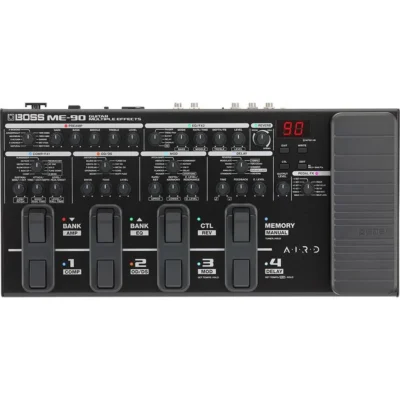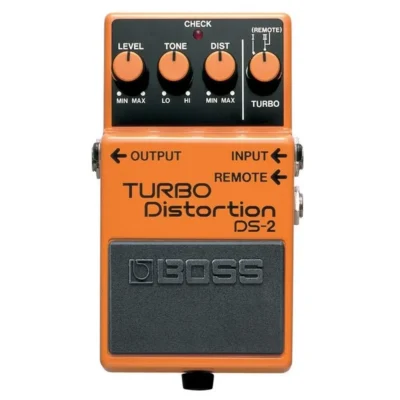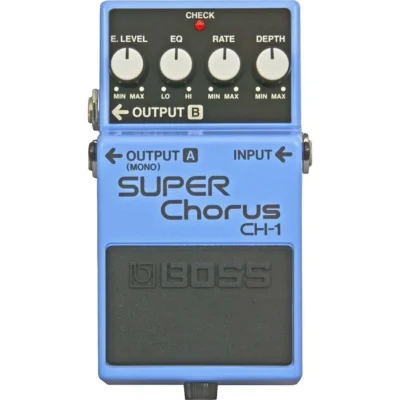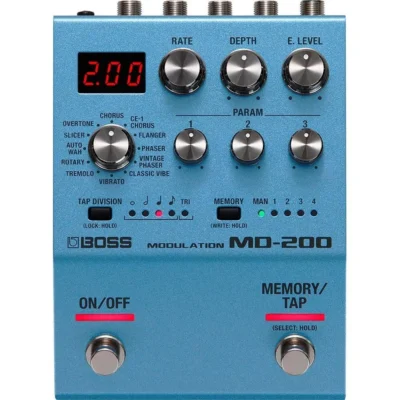
Effects Pedals
Guitar Effects Pedals Melbourne - Boss, TC Electronic, EHX & More
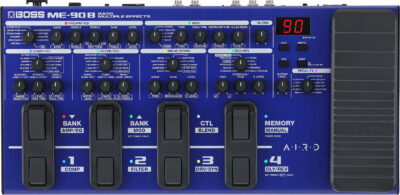
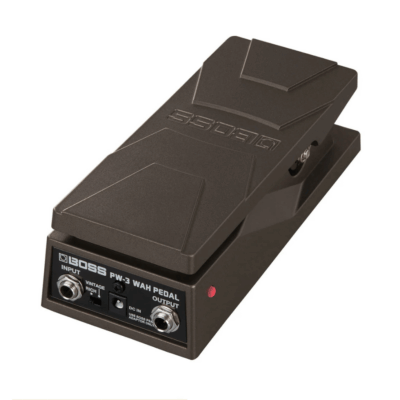
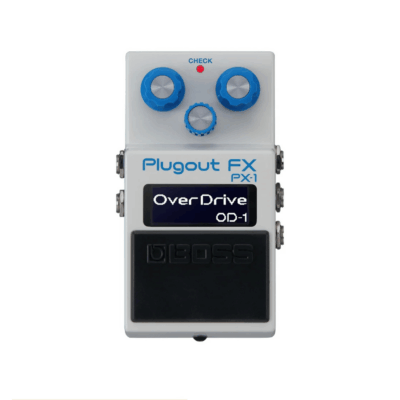
Angkor Music Melbourne stocks comprehensive guitar effects pedals including Boss, TC Electronic, Electro-Harmonix (EHX), ISP Technologies noise gates, Zoom multi-effects, Eventide, Beat Buddy drum machines, and specialty brands across all price points with expert staff providing guidance based on decades of combined playing and professional effects pedal repair service experience since 2006. Guitar effects pedals enhance tone and create sonic possibilities through signal processing between guitar and amplifier. Overdrive pedals including Boss OD-3, BD-2 Blues Driver, SD-1 Super Overdrive deliver gain and sustain for rock blues applications, while distortion pedals like Boss DS-1, EHX Big Muff provide higher gain aggressive tones for metal hard rock. Delay pedals create echo repeats with Boss DD series offering analog digital modeling tap tempo subdivisions, TC Electronic Flashback providing TonePrint custom settings, and boutique options delivering vintage tape echo simulation. Reverb pedals add ambience space with Boss RV-6, TC Electronic Hall of Fame, and Eventide Space providing plate spring hall room cathedral algorithms. Modulation effects: chorus pedals like Boss CH-1 thicken tone with detuned doubling, flanger pedals create jet-plane swoosh, phaser pedals deliver subtle swirl, tremolo creates amplitude modulation vintage vibe, rotary speaker simulation replicates Leslie cabinet. Multi-effects units: Boss GT-1000 flagship processor comprehensive amp modeling effects routing USB audio interface, Zoom G series affordable all-in-one solutions looper drum machine built-in, Headrush Pedalboard touchscreen interface amp IR loading. Noise gates essential for high-gain playing: ISP Decimator removes unwanted noise hum feedback without affecting tone, Boss NS-2 Noise Suppressor reliable affordable option. Specialty pedals: Beat Buddy drum machine realistic drum accompaniment MIDI sync songwriting practice live performance, EHX POG polyphonic octave generator organ-like sounds, TC Electronic Ditto looper simple loop recording practice songwriting. Power requirements: 9V center-negative standard most pedals, isolated power supplies prevent ground loop noise hum, daisy chain cables budget option create potential noise issues, pedalboard planning voltage current requirements checking compatibility. Signal chain order matters: tuner first silent tuning, wah filter dynamics before drive, compression after dynamics, overdrive distortion fuzz gain staging, modulation after drive, delay reverb end of chain, noise gate flexible placement depending application. Pedalboard construction: Pedaltrain industry standard various sizes cable management, custom boards DIY options wood aluminum, Velcro attachment standard hook loop strips, cable management zip ties routing clips professional appearance, power supply mounting underneath board clean top surface. Boss dominates market reliability durability road-proven construction metal chassis true bypass buffer options depending model, compact pedals fit standard pedalboards, Waza Craft premium series analog bucket-brigade circuitry hand-selected components premium tone, multi-effects Boss GT series industry standard professional touring recording. TC Electronic TonePrint technology: smartphone beam custom artist settings, editor software deep parameter control, community sharing thousands presets, mini pedal format save pedalboard space. Electro-Harmonix quirky vintage-inspired designs: Big Muff multiple variants fuzz tones, POG octave generation polyphonic tracking, Memory Man analog delay chorus vibrato, Nano series compact versions classic circuits. Price ranges Melbourne: budget $50-$150 Behringer Joyo Donner Chinese manufacturers acceptable tone beginners, mid-range $150-$400 Boss TC Electronic Zoom EHX MXR reliable quality professional applications, premium $400-$1,000-plus Strymon Eventide Chase Bliss boutique builders hand-wired vintage reproduction advanced digital processing. Professional effects pedal repair service: comprehensive diagnostics true bypass switching failures, potentiometer replacement scratchy controls, footswitch repair intermittent operation, LED replacement indicator failures, circuit-level troubleshooting component replacement, modification services true bypass conversions LED upgrades, honest assessment repair versus replacement costs. Expert staff working guitarists decades combined experience understanding signal chain construction pedal interaction amp compatibility providing honest recommendations based genuine playing experience not sales pressure. Australia-wide shipping: secure packaging bubble wrap anti-static protection tracking insurance safe arrival delicate electronics. Call (03) 8360 7799 for personalized effects pedal recommendations expert advice from experienced guitar technicians.
Angkor Music Melbourne stocks extensive guitar effects pedals from Boss, TC Electronic, Electro-Harmonix, ISP Technologies, Zoom, Eventide, and specialty manufacturers. Located at 4-6 Drake Boulevard, Altona, we've served Melbourne guitarists since 2006. Our professional effects pedal repair service handles diagnostics, switching repairs, modifications, and circuit-level troubleshooting—expertise informing our staff recommendations. Shop Boss overdrive, delay, multi-effects, TC Electronic modulation, EHX fuzz, ISP noise gates, Beat Buddy drum machines. Call (03) 8360 7799 for expert advice from working guitarists.
Filter Effects Pedals
[ ] Boss
[ ] TC Electronic
[ ] Electro-Harmonix
[ ] ISP Technologies
[ ] Zoom
[ ] Eventide
[ ] Beat Buddy
[ ] Overdrive
[ ] Distortion
[ ] Delay
[ ] Reverb
[ ] Modulation
[ ] Multi-Effects
[ ] Noise Gate
[ ] Looper
[ ] Octave
[ ] Under $150
[ ] $100-$199
[ ] $200-$399
[ ] $400-$799
[ ] $800+
[ ] Compact Pedal
[ ] Multi-Effects Unit
[ ] Pedalboard Processor
[ ] Drum Machine
[ ] In Stock
[ ] Available to Order
Our Effects Pedal Collection
.png)
Boss DS-1 Distortion
$95
In Stock
Classic hard distortion
.png)
Boss DD-8 Digital Delay
$359
In Stock
11 delay modes
How to Choose Guitar Effects Pedals
Selecting guitar effects pedals depends on your musical style, existing gear, and budget. Overdrive pedals provide the foundation for most rock and blues tones, adding gain and sustain while maintaining your guitar and amp's fundamental character. Boss OD-3, BD-2 Blues Driver, and SD-1 Super Overdrive represent reliable choices covering clean boost through moderate distortion. These pedals work well with tube amplifiers, pushing them into natural saturation.
Distortion and fuzz pedals deliver higher gain levels for harder rock and metal applications. The Boss DS-1 provides aggressive hard rock distortion, while Electro-Harmonix Big Muff variants deliver the thick, sustaining fuzz tones heard on classic rock recordings. These pedals work well with clean amplifiers, providing complete tone shaping.
Delay pedals create echo repeats essential for ambient music, solos, and rhythmic textures. Boss DD series (DD-3, DD-8, DD-200) offer analog and digital delay models with tap tempo and subdivision options. TC Electronic Flashback provides TonePrint capability allowing custom settings. Delay times from 20ms slapback through several seconds of ambient wash suit different musical applications.
Reverb pedals add space and dimension simulating room, hall, plate, and spring reverb types. Boss RV-6 and TC Electronic Hall of Fame deliver comprehensive reverb algorithms at accessible prices, while Eventide Space provides studio-quality algorithms for professional applications.
Modulation effects including chorus, flanger, phaser, and tremolo add movement and texture. Boss CH-1 chorus thickens tone with detuned doubling, while TC Electronic Corona chorus offers TonePrint editing. These effects work well for clean tones and can add dimension to driven sounds.
Multi-effects units combine multiple effects in single units. Boss GT series (GT-1, GT-1000, GT-1000 Core) provide comprehensive amp modeling, effects routing, and USB audio interface capabilities. Zoom G series offers affordable all-in-one solutions with built-in loopers and drum machines. Multi-effects suit players wanting diverse sounds without large pedalboards.
Noise gates prove essential for high-gain playing, removing unwanted noise and hum without affecting tone. ISP Decimator represents the professional standard, while Boss NS-2 provides reliable affordable performance. Gates work best placed after drive pedals or in amplifier effects loops.
Top Effects Pedal Brands We Stock
Boss - Industry Standard
Boss pedals dominate the effects market through unmatched reliability, road-proven construction, and consistent quality since 1973. The compact pedal format pioneered by Boss remains industry standard, featuring metal chassis, reliable footswitches, and buffer or true bypass options. Classic models include DS-1 Distortion, OD-3 OverDrive, BD-2 Blues Driver, DD series delays, and RV-6 Reverb. The Waza Craft series elevates classic circuits with analog bucket-brigade delays, hand-selected components, and premium tone. Multi-effects including GT-1, GT-1000, and GT-1000 Core provide comprehensive amp modeling and effects processing for professional applications. Boss remains our biggest seller across both individual pedals and multi-effects units.
TC Electronic - TonePrint Innovation
TC Electronic revolutionized effects with TonePrint technology allowing smartphone beam transfer of artist-created settings and deep editing through computer software. The Flashback delay, Hall of Fame reverb, Corona chorus, and Ditto looper represent modern classics combining excellent sound quality with compact footprints. Mini pedal formats save pedalboard space without sacrificing features. Community sharing provides thousands of user-created presets. TC Electronic balances innovation with intuitive operation, making complex effects accessible to all players.
Electro-Harmonix - Quirky Vintage Designs
Electro-Harmonix (EHX) creates distinctive pedals ranging from vintage reproductions to experimental designs. The Big Muff fuzz appears in multiple variants delivering thick, sustaining distortion heard on countless rock recordings. POG (Polyphonic Octave Generator) creates organ-like sounds with polyphonic tracking. Memory Man analog delay provides chorus and vibrato alongside warm echo. The Nano series offers compact versions of classic circuits. EHX appeals to players seeking unique sounds unavailable from mainstream manufacturers, with quirky aesthetics matching unconventional tones.
ISP Technologies - Noise Gate Specialists
ISP Technologies Decimator represents the professional standard for noise reduction, removing unwanted hum, buzz, and feedback without affecting tone or natural sustain. The Time Vector processing technology tracks guitar signal eliminating only actual noise. Decimator II provides enhanced performance, while Decimator G String offers four-cable method for amplifier effects loop integration. Metal and high-gain players particularly benefit from ISP's transparent noise reduction maintaining pick attack and harmonic content while eliminating the noise plaguing high-gain setups.
Zoom - Affordable Multi-Effects
Zoom multi-effects provide comprehensive all-in-one solutions at accessible prices. The G series (G1 Four, G3n, G6) combines amp modeling, effects processing, loopers, and drum machines in compact units suitable for practice, recording, and performance. Expression pedal control, USB audio interface capability, and computer editing expand functionality. Zoom suits beginners wanting diverse sounds without investing in multiple pedals, students requiring practice tools, and budget-conscious players needing backup systems. While not matching boutique quality, Zoom delivers reliable performance supporting musical development.
Eventide - Studio-Quality Processing
Eventide brings professional studio processing to pedal format with Space reverb, TimeFactor delay, ModFactor modulation, and PitchFactor harmonizer. These pedals deliver the algorithms Eventide developed for recording studios, providing exceptional sound quality and deep editing capability. The H9 combines multiple Eventide algorithms in single pedal with comprehensive MIDI control and smartphone editing. Eventide suits professional players and recording artists requiring studio-grade effects in live-performance formats, though pricing reflects professional positioning.
Beat Buddy - Drum Machine Pedal
Beat Buddy provides realistic drum accompaniment in guitar-pedal format with hands-free footswitch operation. Real drum samples across multiple genres, MIDI sync capability, SD card expandability, and songwriting-friendly operation make Beat Buddy essential for solo performers, practice sessions, and songwriting. The pedal format integrates seamlessly with guitar rigs unlike traditional drum machines. BeatBuddy Manager software allows custom song creation and setlist organization. Solo acoustic performers particularly benefit from realistic rhythm section support without requiring additional musicians.
Professional Effects Pedal Repair Service
Our professional effects pedal repair service handles diagnostics, component-level troubleshooting, and modifications giving our staff deep understanding of pedal construction, circuit design, and common failure points. This hands-on repair expertise ensures our recommendations come from genuine technical knowledge, not marketing materials.
True Bypass Switching Repairs
Footswitch failures create intermittent operation or complete bypass failure. Our technicians replace worn mechanical switches, repair circuit board traces damaged by switch stress, and upgrade to true bypass switching where appropriate. We diagnose LED indicator failures often accompanying switch problems. Proper footswitch repair restores reliable on/off operation and bypass integrity maintaining signal path when pedals are off.
Potentiometer Replacement
Scratchy controls plague older pedals as potentiometers wear from use. We replace worn pots maintaining original resistance values and taper curves ensuring proper control operation. Many vintage pedals use specific potentiometer types requiring careful sourcing. Our technicians match original specifications or recommend appropriate modern replacements improving reliability while maintaining tonal character.
Circuit-Level Troubleshooting
Component failures including capacitors, resistors, transistors, and integrated circuits require diagnostic skills identifying specific failed parts. Our technicians use oscilloscopes, signal generators, and multimeters tracing signal paths and isolating problems. We replace failed components with appropriate specifications maintaining or improving original performance. Circuit-level repair extends pedal life economically.
Modifications & Upgrades
We perform modification services including true bypass conversions eliminating tone loss, LED color changes, power jack additions reducing battery dependence, and circuit modifications enhancing tonal options. Popular mods include asymmetric clipping diode changes in overdrives, filtering adjustments in fuzzes, and range expansions in delays. Our technicians assess modification feasibility and expected tonal results honestly.
Why Repair Expertise Matters
Our technicians' hands-on experience repairing hundreds of effects pedals provides insight into reliability differences between manufacturers, common failure modes, and circuit design quality. This knowledge informs our sales recommendations—we know which pedals prove reliable and which create problems. Unlike retailers who only sell pedals, our repair service gives us genuine technical expertise understanding how these devices actually work. We provide honest assessments whether repairs prove economical versus replacement, saving customers money when new pedals make more sense. Call (03) 8360 7799 to discuss pedal repair or technical questions about effects selection.
Effects Pedals vs. Multi-Effects Units
Compared to multi-effects units, individual pedals offer superior sound quality per effect, easier real-time control through dedicated knobs, simpler signal paths, and incremental purchase spreading costs over time. Players build custom pedalboards matching specific needs adding effects as budgets allow. Individual pedals maintain resale value and allow mixing different manufacturers' strengths—Boss delays with TC Electronic modulation, for example.
Compared to individual pedals, multi-effects units provide comprehensive sounds in single units, eliminate cable complexity and power supply proliferation, cost less than equivalent individual pedals, and suit players requiring diverse sounds for cover bands or session work. Multi-effects include amp modeling unavailable in pedal format. However, multi-effects often compromise individual effect quality, require menu diving for parameter access, and create all-or-nothing propositions—if the unit fails, you lose everything.
Many professional players combine both approaches—multi-effects for comprehensive modeling and effects with key individual pedals for critical sounds. Boss GT-1000 alongside favorite overdrive pedal represents common hybrid setup. Budget-conscious beginners often start with multi-effects learning which effects they actually use, later investing in premium individual pedals for those specific sounds.
Guitar Effects Pedal Use Cases
- Rock and blues: Overdrive pedals pushing tube amps, delay for solos
- Metal and hard rock: High-gain distortion, noise gates, boost pedals
- Ambient and experimental: Delay, reverb, modulation creating soundscapes
- Country and funk: Compression, chorus, light overdrive for clean tones
- Studio recording: Multi-effects for diverse sounds, individual pedals for signature tones
- Live performance: Reliable Boss pedals, multi-effects for cover bands
- Home practice: Multi-effects with headphone outputs, drum machines
- Solo performers: Loopers for layering, Beat Buddy for rhythm accompaniment
- Pedalboard builders: Mixing manufacturers, custom signal chains
Frequently Asked Questions - Guitar Effects Pedals
What order should I put effects pedals in?
Effects pedal order significantly impacts tone and performance. The standard signal chain places tuner first allowing silent tuning, dynamics effects (wah, compressor) early in chain responding to guitar's direct signal, gain effects (overdrive, distortion, fuzz) after dynamics establishing drive level, modulation effects (chorus, flanger, phaser) after drive preventing warbling distortion, and time-based effects (delay, reverb) at chain end creating space around the complete tone. Noise gates work flexibly—either after drive pedals removing noise from gain or in amplifier effects loop eliminating amplifier noise. Volume/expression pedals often go last for master control. However, experimentation creates unique sounds—some players prefer modulation before drive for vintage warble, or drive after modulation for exaggerated chorus. Start with standard order understanding the reasoning, then experiment finding what sounds best for your rig. Our staff with effects pedal repair experience understand signal flow and can explain how different orders affect tone based on actual circuit operation, not just conventional wisdom.
What's the difference between overdrive and distortion pedals?
Overdrive and distortion represent different approaches to gain and clipping. Overdrive pedals like Boss OD-3, BD-2, and Tube Screamer variants provide soft clipping resembling tube amplifier saturation, maintaining guitar and amp character while adding warmth, compression, and sustain. Overdrives work best pushing already-cooking tube amps into natural distortion, acting as boost/enhancement rather than complete tone transformation. They respond dynamically to playing dynamics—lighter pick attack cleans up, harder attack increases distortion. Distortion pedals like Boss DS-1, Metal Zone, and RAT provide hard clipping creating aggressive, saturated tones with more compression and sustain than overdrives. Distortions work well with clean amplifiers, providing complete distorted voice. They respond less dynamically to playing, maintaining consistent high-gain character. Fuzz pedals extend further into extreme clipping territory creating thick, sustaining, harmonically complex tones heard on vintage rock recordings. These distinctions blur—some overdrives provide substantial distortion at maximum gain, some distortions clean up somewhat with guitar volume reduction. Our technicians understand the circuit differences creating these tonal variations through repair work on hundreds of drive pedals.
Should I buy individual pedals or a multi-effects unit?
The choice between individual pedals and multi-effects depends on your needs, budget, and playing style. Individual pedals offer superior sound quality per effect, easier real-time control through dedicated knobs, simpler troubleshooting when problems occur, and flexibility mixing different manufacturers. You build collections incrementally spreading costs over time, and pedals maintain resale value for upgrading. However, individual pedals require pedalboards, multiple power supplies, cable management, and more floor space. Quality individual pedals covering comprehensive effects easily exceed $1,000-$2,000 total cost. Multi-effects units like Boss GT series and Zoom G series provide comprehensive effects in single units for $300-$800, eliminate cable complexity, include amp modeling, and suit players needing diverse sounds for cover bands or recording. However, multi-effects often compromise individual effect quality, require menu diving for deep editing, and create single-point failure. Many professional players combine approaches—multi-effects for foundation with key individual pedals for critical sounds. Beginners often benefit starting with multi-effects learning which effects they actually use, later investing in premium individual pedals for those specific sounds. Our staff can assess your requirements recommending appropriate solutions based on musical goals, budget, and technical comfort level.
Why are Boss pedals so popular?
Boss pedals dominate the market through unmatched reliability, road-proven construction, consistent quality control, and extensive artist endorsement since 1973. The metal chassis construction withstands touring abuse better than plastic alternatives. Mechanical footswitches prove more reliable than electronic alternatives over thousands of stomps. Battery access without tools facilitates quick changes. The compact pedal format Boss pioneered remains industry standard—all Boss compacts share identical dimensions simplifying pedalboard planning. Classic models like DS-1, OD-3, DD series delays, and CH-1 chorus sound good enough for professional applications at accessible prices. Buffer bypass on many models maintains signal integrity through long cable runs, though true bypass variants exist for purists. Our repair service sees Boss pedals requiring less frequent service than many alternatives—when repairs are needed, replacement parts remain available even for decades-old models due to Boss/Roland's commitment to supporting legacy products. The Waza Craft series elevates classic circuits with analog components, hand-selection, and premium specifications meeting boutique standards. Boss multi-effects including GT-1000 provide professional-grade amp modeling and effects processing used by touring musicians worldwide. Boss represents reliable, consistent quality—players know what they're getting without gambling on unknown boutique manufacturers.
How do I power my effects pedals?
Most guitar effects pedals use 9V DC center-negative power, though some require different voltages or higher current. Individual 9V batteries work but prove expensive and inconvenient for pedalboards with multiple pedals. Isolated power supplies like Voodoo Lab Pedal Power, Truetone CS series, or Strymon Zuma provide multiple isolated 9V outputs preventing ground loop noise and hum affecting daisy-chain power. Isolated outputs allow powering pedals with different current requirements without voltage sag. Some power supplies include variable voltage outputs (9V, 12V, 18V) accommodating pedals with special requirements. Daisy chain cables splitting single power supply across multiple pedals work for budget setups but create potential noise issues and provide no voltage isolation between pedals. Check each pedal's current draw (measured in milliamps/mA) ensuring your power supply provides adequate current—underpowered pedals exhibit distortion, noise, or won't turn on. Digital pedals and multi-effects often require more current than analog pedals. Some boutique pedals use different power requirements (12V, 18V, positive-center polarity)—always verify specifications before connecting power preventing damage. Plan power supply capacity when building pedalboards—count total current draw ensuring power supply handles the load with headroom. Our staff can recommend appropriate power solutions for your specific pedalboard configuration based on the pedals you're using.
What is true bypass and does it matter?
True bypass switching mechanically connects guitar input directly to output when the pedal is off, completely removing the pedal circuit from the signal path. This prevents tone coloration or signal degradation from bypassed pedals. However, true bypass creates potential problems in large pedalboards—long cable runs and multiple connections cause capacitance loading creating high-frequency loss even with true bypass pedals. Buffer bypass like Boss employs maintains active circuitry when pedals are off, preventing capacitance loading and maintaining signal integrity through long cable runs. Buffers add slight coloration but preserve high frequencies better than true bypass through 20+ feet of cable. The truth: true bypass matters most for small pedalboards with short cable runs where you want zero pedal interaction. Buffer bypass benefits large pedalboards or long cable runs maintaining signal integrity. Many professional players deliberately place buffered pedals (Boss, etc.) early in chain preventing signal degradation while using true bypass for pedals where interaction matters (fuzzes can sound different into buffers). Some modern pedals offer switchable true/buffer bypass. The "true bypass is always better" conventional wisdom oversimplifies—both approaches suit different applications. Our technicians understand the actual electrical differences through circuit-level repair work and can explain how these choices affect your specific rig configuration.
Why do I need a noise gate pedal?
Noise gates prove essential for high-gain playing, removing unwanted hum, buzz, and feedback without affecting tone or natural sustain. High-gain amplifiers and drive pedals amplify everything including 60-cycle hum from single-coil pickups, electromagnetic interference from lighting and electronics, and ground loop noise from poorly grounded equipment. This noise becomes overwhelming during rests or quiet passages. Noise gates detect when you're not playing (signal falls below threshold) and mute the output, eliminating noise while you're not playing. When you play, the gate opens allowing normal signal through. The ISP Decimator represents the professional standard using Time Vector processing tracking your actual guitar signal and removing only noise, not natural sustain or pick attack. The Boss NS-2 provides reliable performance with effects loop for placing gate around drive pedals. Proper gate placement matters—after drive pedals removes noise those pedals create, in amplifier effects loop eliminates amplifier noise. Threshold adjustment proves critical—set too low allows noise through, set too high cuts off natural sustain. Quality gates like ISP Decimator make this adjustment easy with minimal impact on playing feel. Metal players, high-gain enthusiasts, and anyone playing through high-volume amplifiers benefit from proper noise gates maintaining professional presentations without distracting buzz.
What's the difference between analog and digital delay pedals?
Analog and digital delays represent different technologies creating echo repeats with distinct characteristics. Analog delays like Boss DM-2W Waza Craft use bucket-brigade device (BBD) chips passing audio signal through analog stages creating warm, dark repeats with natural degradation—each repeat loses high frequencies creating organic tape-like quality. Analog delays typically offer shorter maximum delay times (300-600ms), simpler controls, and characteristic warm tonality. They're prized for vintage sounds and musical applications where dark, warm repeats sit nicely in mixes without cluttering. Digital delays like Boss DD series sample and store audio digitally, creating pristine repeats identical to the original signal or simulating analog/tape characteristics through modeling. Digital offers longer delay times (several seconds), multiple delay modes (standard, analog, tape, reverse, etc.), tap tempo, subdivision settings, and stereo operation. Modern digital delays like DD-8 or DD-200 sound excellent, offering both pristine digital repeats and convincing analog/tape simulations in single pedals. The choice depends on your needs—pure vintage warmth favors analog, versatility and features favor digital, though modern digitals provide both capabilities. Many players use both—analog for always-on slapback and subtle ambience, digital for longer delays and rhythmic effects. Our staff can demonstrate tonal differences and recommend appropriate delays for your musical applications.
Are expensive boutique pedals worth the money?
Boutique pedals costing $200-$500+ offer potential advantages including hand-wired construction, premium components (NOS transistors, film capacitors, premium op-amps), unique circuits unavailable from mainstream manufacturers, small-batch production ensuring individual attention, and distinctive aesthetics. Some boutique builders create genuinely superior sounds—Strymon digital effects provide studio-quality algorithms, JHS modded circuits offer unique tonal variations, Chase Bliss combines analog circuits with digital control. However, many boutique pedals simply replicate vintage circuits available more reliably from Boss or similar manufacturers. The premium pricing often reflects small production quantities and hand-labor rather than genuinely superior performance. Mainstream manufacturers like Boss employ extensive R&D, quality control, and economies of scale creating reliable products meeting professional standards at accessible prices. For most players, Boss, TC Electronic, EHX, and similar mid-range manufacturers provide all the quality needed—saving hundreds of dollars per pedal allows building larger, more diverse pedalboard collections. Boutique makes sense for specific applications where mainstream alternatives don't deliver the required sound. Our technicians' repair experience reveals build quality differences—some boutiques prove exceptionally well-made, others use cheap components in fancy enclosures. We provide honest assessments based on actual experience with these products rather than marketing hype or internet forum opinions.
Where can I get advice on effects pedals in Melbourne?
Call Angkor Music at (03) 8360 7799 to discuss effects pedal selection with our staff—working guitarists with decades of combined experience and professional repair service expertise. We understand how effects pedals actually work through circuit-level repair experience, not just manufacturer marketing. Our technicians have repaired hundreds of effects pedals providing genuine insight into reliability differences, common failure modes, and circuit design quality. This hands-on knowledge informs our sales recommendations—we know which pedals prove reliable and which create problems. We stock comprehensive selections from Boss, TC Electronic, Electro-Harmonix, ISP Technologies, Zoom, Eventide, and Beat Buddy available for purchase at our Altona location (4-6 Drake Boulevard) or through Australia-wide shipping with secure packaging and tracking. We provide honest recommendations based on your musical style, existing gear, budget, and actual requirements rather than pushing expensive boutique alternatives when mainstream options serve better. Our repair service handles diagnostics, component replacement, modifications, and honest assessment whether repairs prove economical versus replacement. Regional customers benefit from phone consultations providing same expertise without requiring in-store visits. Serving Melbourne guitarists since 1976, we've built reputation on honest advice and reliable service rather than sales pressure.
Related Products & Resources
Effects Pedal Brands
Related Accessories
Guitars & Amps
Services
- Effects pedal repair
- Guitar repairs
- Amp servicing
Why Buy Effects Pedals from Angkor Music Melbourne
Professional Repair Service
Our effects pedal repair service handles diagnostics, component-level troubleshooting, true bypass conversions, and modifications. This hands-on expertise means our staff understand how these devices actually work, providing recommendations based on genuine technical knowledge rather than marketing materials.
Expert Advice from Players
Our staff are working guitarists with decades of combined experience using effects pedals across multiple genres. We understand signal chain construction, pedal interaction, and amp compatibility providing honest recommendations based on genuine playing experience, not sales pressure.
Comprehensive Selection
We stock Boss, TC Electronic, Electro-Harmonix, ISP Technologies, Zoom, Eventide, and Beat Buddy across all effect types and price points. From classic Boss compacts through boutique processors, we maintain inventory serving beginners through professional players.
Australia-Wide Shipping
Melbourne metro customers enjoy same-day pickup at our Altona location. We ship effects pedals Australia-wide with secure packaging, bubble wrap protection, anti-static materials, and full insurance. Tracking provided for all shipments ensuring safe arrival of delicate electronics.
Competitive Pricing
We price match authorized Australian retailers while providing superior service. Our repair expertise allows honest assessment of which pedals justify premium pricing versus which mainstream options serve better. We focus on value rather than pushing expensive alternatives when unnecessary.
Warranty & Support
All effects pedals include manufacturer warranty with our local support for warranty claims. Our repair service handles post-warranty service, modifications, and honest assessment whether repairs prove economical versus replacement. Established 1976, serving Melbourne guitarists for nearly 50 years.
Visit Us: 4-6 Drake Boulevard, Altona VIC 3018
Call: (03) 8360 7799
Serving Melbourne since 1976
Guitar Effects Pedals Melbourne - Boss, TC Electronic, EHX & More
Angkor Music Melbourne stocks comprehensive guitar effects pedals including Boss, TC Electronic, Electro-Harmonix (EHX), ISP Technologies noise gates, Zoom multi-effects, Eventide, Beat Buddy drum machines, and specialty brands across all price points with expert staff providing guidance based on decades of combined playing and professional effects pedal repair service experience since 2006. Guitar effects pedals enhance tone and create sonic possibilities through signal processing between guitar and amplifier. Overdrive pedals including Boss OD-3, BD-2 Blues Driver, SD-1 Super Overdrive deliver gain and sustain for rock blues applications, while distortion pedals like Boss DS-1, EHX Big Muff provide higher gain aggressive tones for metal hard rock. Delay pedals create echo repeats with Boss DD series offering analog digital modeling tap tempo subdivisions, TC Electronic Flashback providing TonePrint custom settings, and boutique options delivering vintage tape echo simulation. Reverb pedals add ambience space with Boss RV-6, TC Electronic Hall of Fame, and Eventide Space providing plate spring hall room cathedral algorithms. Modulation effects: chorus pedals like Boss CH-1 thicken tone with detuned doubling, flanger pedals create jet-plane swoosh, phaser pedals deliver subtle swirl, tremolo creates amplitude modulation vintage vibe, rotary speaker simulation replicates Leslie cabinet. Multi-effects units: Boss GT-1000 flagship processor comprehensive amp modeling effects routing USB audio interface, Zoom G series affordable all-in-one solutions looper drum machine built-in, Headrush Pedalboard touchscreen interface amp IR loading. Noise gates essential for high-gain playing: ISP Decimator removes unwanted noise hum feedback without affecting tone, Boss NS-2 Noise Suppressor reliable affordable option. Specialty pedals: Beat Buddy drum machine realistic drum accompaniment MIDI sync songwriting practice live performance, EHX POG polyphonic octave generator organ-like sounds, TC Electronic Ditto looper simple loop recording practice songwriting. Power requirements: 9V center-negative standard most pedals, isolated power supplies prevent ground loop noise hum, daisy chain cables budget option create potential noise issues, pedalboard planning voltage current requirements checking compatibility. Signal chain order matters: tuner first silent tuning, wah filter dynamics before drive, compression after dynamics, overdrive distortion fuzz gain staging, modulation after drive, delay reverb end of chain, noise gate flexible placement depending application. Pedalboard construction: Pedaltrain industry standard various sizes cable management, custom boards DIY options wood aluminum, Velcro attachment standard hook loop strips, cable management zip ties routing clips professional appearance, power supply mounting underneath board clean top surface. Boss dominates market reliability durability road-proven construction metal chassis true bypass buffer options depending model, compact pedals fit standard pedalboards, Waza Craft premium series analog bucket-brigade circuitry hand-selected components premium tone, multi-effects Boss GT series industry standard professional touring recording. TC Electronic TonePrint technology: smartphone beam custom artist settings, editor software deep parameter control, community sharing thousands presets, mini pedal format save pedalboard space. Electro-Harmonix quirky vintage-inspired designs: Big Muff multiple variants fuzz tones, POG octave generation polyphonic tracking, Memory Man analog delay chorus vibrato, Nano series compact versions classic circuits. Price ranges Melbourne: budget $50-$150 Behringer Joyo Donner Chinese manufacturers acceptable tone beginners, mid-range $150-$400 Boss TC Electronic Zoom EHX MXR reliable quality professional applications, premium $400-$1,000-plus Strymon Eventide Chase Bliss boutique builders hand-wired vintage reproduction advanced digital processing. Professional effects pedal repair service: comprehensive diagnostics true bypass switching failures, potentiometer replacement scratchy controls, footswitch repair intermittent operation, LED replacement indicator failures, circuit-level troubleshooting component replacement, modification services true bypass conversions LED upgrades, honest assessment repair versus replacement costs. Expert staff working guitarists decades combined experience understanding signal chain construction pedal interaction amp compatibility providing honest recommendations based genuine playing experience not sales pressure. Australia-wide shipping: secure packaging bubble wrap anti-static protection tracking insurance safe arrival delicate electronics. Call (03) 8360 7799 for personalized effects pedal recommendations expert advice from experienced guitar technicians.
Angkor Music Melbourne stocks extensive guitar effects pedals from Boss, TC Electronic, Electro-Harmonix, ISP Technologies, Zoom, Eventide, and specialty manufacturers. Located at 4-6 Drake Boulevard, Altona, we've served Melbourne guitarists since 2006. Our professional effects pedal repair service handles diagnostics, switching repairs, modifications, and circuit-level troubleshooting—expertise informing our staff recommendations. Shop Boss overdrive, delay, multi-effects, TC Electronic modulation, EHX fuzz, ISP noise gates, Beat Buddy drum machines. Call (03) 8360 7799 for expert advice from working guitarists.
Filter Effects Pedals
[ ] Boss
[ ] TC Electronic
[ ] Electro-Harmonix
[ ] ISP Technologies
[ ] Zoom
[ ] Eventide
[ ] Beat Buddy
[ ] Overdrive
[ ] Distortion
[ ] Delay
[ ] Reverb
[ ] Modulation
[ ] Multi-Effects
[ ] Noise Gate
[ ] Looper
[ ] Octave
[ ] Under $150
[ ] $100-$199
[ ] $200-$399
[ ] $400-$799
[ ] $800+
[ ] Compact Pedal
[ ] Multi-Effects Unit
[ ] Pedalboard Processor
[ ] Drum Machine
[ ] In Stock
[ ] Available to Order
Our Effects Pedal Collection
.png)
Boss DS-1 Distortion
$95
In Stock
Classic hard distortion
.png)
Boss DD-8 Digital Delay
$359
In Stock
11 delay modes
How to Choose Guitar Effects Pedals
Selecting guitar effects pedals depends on your musical style, existing gear, and budget. Overdrive pedals provide the foundation for most rock and blues tones, adding gain and sustain while maintaining your guitar and amp's fundamental character. Boss OD-3, BD-2 Blues Driver, and SD-1 Super Overdrive represent reliable choices covering clean boost through moderate distortion. These pedals work well with tube amplifiers, pushing them into natural saturation.
Distortion and fuzz pedals deliver higher gain levels for harder rock and metal applications. The Boss DS-1 provides aggressive hard rock distortion, while Electro-Harmonix Big Muff variants deliver the thick, sustaining fuzz tones heard on classic rock recordings. These pedals work well with clean amplifiers, providing complete tone shaping.
Delay pedals create echo repeats essential for ambient music, solos, and rhythmic textures. Boss DD series (DD-3, DD-8, DD-200) offer analog and digital delay models with tap tempo and subdivision options. TC Electronic Flashback provides TonePrint capability allowing custom settings. Delay times from 20ms slapback through several seconds of ambient wash suit different musical applications.
Reverb pedals add space and dimension simulating room, hall, plate, and spring reverb types. Boss RV-6 and TC Electronic Hall of Fame deliver comprehensive reverb algorithms at accessible prices, while Eventide Space provides studio-quality algorithms for professional applications.
Modulation effects including chorus, flanger, phaser, and tremolo add movement and texture. Boss CH-1 chorus thickens tone with detuned doubling, while TC Electronic Corona chorus offers TonePrint editing. These effects work well for clean tones and can add dimension to driven sounds.
Multi-effects units combine multiple effects in single units. Boss GT series (GT-1, GT-1000, GT-1000 Core) provide comprehensive amp modeling, effects routing, and USB audio interface capabilities. Zoom G series offers affordable all-in-one solutions with built-in loopers and drum machines. Multi-effects suit players wanting diverse sounds without large pedalboards.
Noise gates prove essential for high-gain playing, removing unwanted noise and hum without affecting tone. ISP Decimator represents the professional standard, while Boss NS-2 provides reliable affordable performance. Gates work best placed after drive pedals or in amplifier effects loops.
Top Effects Pedal Brands We Stock
Boss - Industry Standard
Boss pedals dominate the effects market through unmatched reliability, road-proven construction, and consistent quality since 1973. The compact pedal format pioneered by Boss remains industry standard, featuring metal chassis, reliable footswitches, and buffer or true bypass options. Classic models include DS-1 Distortion, OD-3 OverDrive, BD-2 Blues Driver, DD series delays, and RV-6 Reverb. The Waza Craft series elevates classic circuits with analog bucket-brigade delays, hand-selected components, and premium tone. Multi-effects including GT-1, GT-1000, and GT-1000 Core provide comprehensive amp modeling and effects processing for professional applications. Boss remains our biggest seller across both individual pedals and multi-effects units.
TC Electronic - TonePrint Innovation
TC Electronic revolutionized effects with TonePrint technology allowing smartphone beam transfer of artist-created settings and deep editing through computer software. The Flashback delay, Hall of Fame reverb, Corona chorus, and Ditto looper represent modern classics combining excellent sound quality with compact footprints. Mini pedal formats save pedalboard space without sacrificing features. Community sharing provides thousands of user-created presets. TC Electronic balances innovation with intuitive operation, making complex effects accessible to all players.
Electro-Harmonix - Quirky Vintage Designs
Electro-Harmonix (EHX) creates distinctive pedals ranging from vintage reproductions to experimental designs. The Big Muff fuzz appears in multiple variants delivering thick, sustaining distortion heard on countless rock recordings. POG (Polyphonic Octave Generator) creates organ-like sounds with polyphonic tracking. Memory Man analog delay provides chorus and vibrato alongside warm echo. The Nano series offers compact versions of classic circuits. EHX appeals to players seeking unique sounds unavailable from mainstream manufacturers, with quirky aesthetics matching unconventional tones.
ISP Technologies - Noise Gate Specialists
ISP Technologies Decimator represents the professional standard for noise reduction, removing unwanted hum, buzz, and feedback without affecting tone or natural sustain. The Time Vector processing technology tracks guitar signal eliminating only actual noise. Decimator II provides enhanced performance, while Decimator G String offers four-cable method for amplifier effects loop integration. Metal and high-gain players particularly benefit from ISP's transparent noise reduction maintaining pick attack and harmonic content while eliminating the noise plaguing high-gain setups.
Zoom - Affordable Multi-Effects
Zoom multi-effects provide comprehensive all-in-one solutions at accessible prices. The G series (G1 Four, G3n, G6) combines amp modeling, effects processing, loopers, and drum machines in compact units suitable for practice, recording, and performance. Expression pedal control, USB audio interface capability, and computer editing expand functionality. Zoom suits beginners wanting diverse sounds without investing in multiple pedals, students requiring practice tools, and budget-conscious players needing backup systems. While not matching boutique quality, Zoom delivers reliable performance supporting musical development.
Eventide - Studio-Quality Processing
Eventide brings professional studio processing to pedal format with Space reverb, TimeFactor delay, ModFactor modulation, and PitchFactor harmonizer. These pedals deliver the algorithms Eventide developed for recording studios, providing exceptional sound quality and deep editing capability. The H9 combines multiple Eventide algorithms in single pedal with comprehensive MIDI control and smartphone editing. Eventide suits professional players and recording artists requiring studio-grade effects in live-performance formats, though pricing reflects professional positioning.
Beat Buddy - Drum Machine Pedal
Beat Buddy provides realistic drum accompaniment in guitar-pedal format with hands-free footswitch operation. Real drum samples across multiple genres, MIDI sync capability, SD card expandability, and songwriting-friendly operation make Beat Buddy essential for solo performers, practice sessions, and songwriting. The pedal format integrates seamlessly with guitar rigs unlike traditional drum machines. BeatBuddy Manager software allows custom song creation and setlist organization. Solo acoustic performers particularly benefit from realistic rhythm section support without requiring additional musicians.
Professional Effects Pedal Repair Service
Our professional effects pedal repair service handles diagnostics, component-level troubleshooting, and modifications giving our staff deep understanding of pedal construction, circuit design, and common failure points. This hands-on repair expertise ensures our recommendations come from genuine technical knowledge, not marketing materials.
True Bypass Switching Repairs
Footswitch failures create intermittent operation or complete bypass failure. Our technicians replace worn mechanical switches, repair circuit board traces damaged by switch stress, and upgrade to true bypass switching where appropriate. We diagnose LED indicator failures often accompanying switch problems. Proper footswitch repair restores reliable on/off operation and bypass integrity maintaining signal path when pedals are off.
Potentiometer Replacement
Scratchy controls plague older pedals as potentiometers wear from use. We replace worn pots maintaining original resistance values and taper curves ensuring proper control operation. Many vintage pedals use specific potentiometer types requiring careful sourcing. Our technicians match original specifications or recommend appropriate modern replacements improving reliability while maintaining tonal character.
Circuit-Level Troubleshooting
Component failures including capacitors, resistors, transistors, and integrated circuits require diagnostic skills identifying specific failed parts. Our technicians use oscilloscopes, signal generators, and multimeters tracing signal paths and isolating problems. We replace failed components with appropriate specifications maintaining or improving original performance. Circuit-level repair extends pedal life economically.
Modifications & Upgrades
We perform modification services including true bypass conversions eliminating tone loss, LED color changes, power jack additions reducing battery dependence, and circuit modifications enhancing tonal options. Popular mods include asymmetric clipping diode changes in overdrives, filtering adjustments in fuzzes, and range expansions in delays. Our technicians assess modification feasibility and expected tonal results honestly.
Why Repair Expertise Matters
Our technicians' hands-on experience repairing hundreds of effects pedals provides insight into reliability differences between manufacturers, common failure modes, and circuit design quality. This knowledge informs our sales recommendations—we know which pedals prove reliable and which create problems. Unlike retailers who only sell pedals, our repair service gives us genuine technical expertise understanding how these devices actually work. We provide honest assessments whether repairs prove economical versus replacement, saving customers money when new pedals make more sense. Call (03) 8360 7799 to discuss pedal repair or technical questions about effects selection.
Effects Pedals vs. Multi-Effects Units
Compared to multi-effects units, individual pedals offer superior sound quality per effect, easier real-time control through dedicated knobs, simpler signal paths, and incremental purchase spreading costs over time. Players build custom pedalboards matching specific needs adding effects as budgets allow. Individual pedals maintain resale value and allow mixing different manufacturers' strengths—Boss delays with TC Electronic modulation, for example.
Compared to individual pedals, multi-effects units provide comprehensive sounds in single units, eliminate cable complexity and power supply proliferation, cost less than equivalent individual pedals, and suit players requiring diverse sounds for cover bands or session work. Multi-effects include amp modeling unavailable in pedal format. However, multi-effects often compromise individual effect quality, require menu diving for parameter access, and create all-or-nothing propositions—if the unit fails, you lose everything.
Many professional players combine both approaches—multi-effects for comprehensive modeling and effects with key individual pedals for critical sounds. Boss GT-1000 alongside favorite overdrive pedal represents common hybrid setup. Budget-conscious beginners often start with multi-effects learning which effects they actually use, later investing in premium individual pedals for those specific sounds.
Guitar Effects Pedal Use Cases
- Rock and blues: Overdrive pedals pushing tube amps, delay for solos
- Metal and hard rock: High-gain distortion, noise gates, boost pedals
- Ambient and experimental: Delay, reverb, modulation creating soundscapes
- Country and funk: Compression, chorus, light overdrive for clean tones
- Studio recording: Multi-effects for diverse sounds, individual pedals for signature tones
- Live performance: Reliable Boss pedals, multi-effects for cover bands
- Home practice: Multi-effects with headphone outputs, drum machines
- Solo performers: Loopers for layering, Beat Buddy for rhythm accompaniment
- Pedalboard builders: Mixing manufacturers, custom signal chains
Frequently Asked Questions - Guitar Effects Pedals
What order should I put effects pedals in?
Effects pedal order significantly impacts tone and performance. The standard signal chain places tuner first allowing silent tuning, dynamics effects (wah, compressor) early in chain responding to guitar's direct signal, gain effects (overdrive, distortion, fuzz) after dynamics establishing drive level, modulation effects (chorus, flanger, phaser) after drive preventing warbling distortion, and time-based effects (delay, reverb) at chain end creating space around the complete tone. Noise gates work flexibly—either after drive pedals removing noise from gain or in amplifier effects loop eliminating amplifier noise. Volume/expression pedals often go last for master control. However, experimentation creates unique sounds—some players prefer modulation before drive for vintage warble, or drive after modulation for exaggerated chorus. Start with standard order understanding the reasoning, then experiment finding what sounds best for your rig. Our staff with effects pedal repair experience understand signal flow and can explain how different orders affect tone based on actual circuit operation, not just conventional wisdom.
What's the difference between overdrive and distortion pedals?
Overdrive and distortion represent different approaches to gain and clipping. Overdrive pedals like Boss OD-3, BD-2, and Tube Screamer variants provide soft clipping resembling tube amplifier saturation, maintaining guitar and amp character while adding warmth, compression, and sustain. Overdrives work best pushing already-cooking tube amps into natural distortion, acting as boost/enhancement rather than complete tone transformation. They respond dynamically to playing dynamics—lighter pick attack cleans up, harder attack increases distortion. Distortion pedals like Boss DS-1, Metal Zone, and RAT provide hard clipping creating aggressive, saturated tones with more compression and sustain than overdrives. Distortions work well with clean amplifiers, providing complete distorted voice. They respond less dynamically to playing, maintaining consistent high-gain character. Fuzz pedals extend further into extreme clipping territory creating thick, sustaining, harmonically complex tones heard on vintage rock recordings. These distinctions blur—some overdrives provide substantial distortion at maximum gain, some distortions clean up somewhat with guitar volume reduction. Our technicians understand the circuit differences creating these tonal variations through repair work on hundreds of drive pedals.
Should I buy individual pedals or a multi-effects unit?
The choice between individual pedals and multi-effects depends on your needs, budget, and playing style. Individual pedals offer superior sound quality per effect, easier real-time control through dedicated knobs, simpler troubleshooting when problems occur, and flexibility mixing different manufacturers. You build collections incrementally spreading costs over time, and pedals maintain resale value for upgrading. However, individual pedals require pedalboards, multiple power supplies, cable management, and more floor space. Quality individual pedals covering comprehensive effects easily exceed $1,000-$2,000 total cost. Multi-effects units like Boss GT series and Zoom G series provide comprehensive effects in single units for $300-$800, eliminate cable complexity, include amp modeling, and suit players needing diverse sounds for cover bands or recording. However, multi-effects often compromise individual effect quality, require menu diving for deep editing, and create single-point failure. Many professional players combine approaches—multi-effects for foundation with key individual pedals for critical sounds. Beginners often benefit starting with multi-effects learning which effects they actually use, later investing in premium individual pedals for those specific sounds. Our staff can assess your requirements recommending appropriate solutions based on musical goals, budget, and technical comfort level.
Why are Boss pedals so popular?
Boss pedals dominate the market through unmatched reliability, road-proven construction, consistent quality control, and extensive artist endorsement since 1973. The metal chassis construction withstands touring abuse better than plastic alternatives. Mechanical footswitches prove more reliable than electronic alternatives over thousands of stomps. Battery access without tools facilitates quick changes. The compact pedal format Boss pioneered remains industry standard—all Boss compacts share identical dimensions simplifying pedalboard planning. Classic models like DS-1, OD-3, DD series delays, and CH-1 chorus sound good enough for professional applications at accessible prices. Buffer bypass on many models maintains signal integrity through long cable runs, though true bypass variants exist for purists. Our repair service sees Boss pedals requiring less frequent service than many alternatives—when repairs are needed, replacement parts remain available even for decades-old models due to Boss/Roland's commitment to supporting legacy products. The Waza Craft series elevates classic circuits with analog components, hand-selection, and premium specifications meeting boutique standards. Boss multi-effects including GT-1000 provide professional-grade amp modeling and effects processing used by touring musicians worldwide. Boss represents reliable, consistent quality—players know what they're getting without gambling on unknown boutique manufacturers.
How do I power my effects pedals?
Most guitar effects pedals use 9V DC center-negative power, though some require different voltages or higher current. Individual 9V batteries work but prove expensive and inconvenient for pedalboards with multiple pedals. Isolated power supplies like Voodoo Lab Pedal Power, Truetone CS series, or Strymon Zuma provide multiple isolated 9V outputs preventing ground loop noise and hum affecting daisy-chain power. Isolated outputs allow powering pedals with different current requirements without voltage sag. Some power supplies include variable voltage outputs (9V, 12V, 18V) accommodating pedals with special requirements. Daisy chain cables splitting single power supply across multiple pedals work for budget setups but create potential noise issues and provide no voltage isolation between pedals. Check each pedal's current draw (measured in milliamps/mA) ensuring your power supply provides adequate current—underpowered pedals exhibit distortion, noise, or won't turn on. Digital pedals and multi-effects often require more current than analog pedals. Some boutique pedals use different power requirements (12V, 18V, positive-center polarity)—always verify specifications before connecting power preventing damage. Plan power supply capacity when building pedalboards—count total current draw ensuring power supply handles the load with headroom. Our staff can recommend appropriate power solutions for your specific pedalboard configuration based on the pedals you're using.
What is true bypass and does it matter?
True bypass switching mechanically connects guitar input directly to output when the pedal is off, completely removing the pedal circuit from the signal path. This prevents tone coloration or signal degradation from bypassed pedals. However, true bypass creates potential problems in large pedalboards—long cable runs and multiple connections cause capacitance loading creating high-frequency loss even with true bypass pedals. Buffer bypass like Boss employs maintains active circuitry when pedals are off, preventing capacitance loading and maintaining signal integrity through long cable runs. Buffers add slight coloration but preserve high frequencies better than true bypass through 20+ feet of cable. The truth: true bypass matters most for small pedalboards with short cable runs where you want zero pedal interaction. Buffer bypass benefits large pedalboards or long cable runs maintaining signal integrity. Many professional players deliberately place buffered pedals (Boss, etc.) early in chain preventing signal degradation while using true bypass for pedals where interaction matters (fuzzes can sound different into buffers). Some modern pedals offer switchable true/buffer bypass. The "true bypass is always better" conventional wisdom oversimplifies—both approaches suit different applications. Our technicians understand the actual electrical differences through circuit-level repair work and can explain how these choices affect your specific rig configuration.
Why do I need a noise gate pedal?
Noise gates prove essential for high-gain playing, removing unwanted hum, buzz, and feedback without affecting tone or natural sustain. High-gain amplifiers and drive pedals amplify everything including 60-cycle hum from single-coil pickups, electromagnetic interference from lighting and electronics, and ground loop noise from poorly grounded equipment. This noise becomes overwhelming during rests or quiet passages. Noise gates detect when you're not playing (signal falls below threshold) and mute the output, eliminating noise while you're not playing. When you play, the gate opens allowing normal signal through. The ISP Decimator represents the professional standard using Time Vector processing tracking your actual guitar signal and removing only noise, not natural sustain or pick attack. The Boss NS-2 provides reliable performance with effects loop for placing gate around drive pedals. Proper gate placement matters—after drive pedals removes noise those pedals create, in amplifier effects loop eliminates amplifier noise. Threshold adjustment proves critical—set too low allows noise through, set too high cuts off natural sustain. Quality gates like ISP Decimator make this adjustment easy with minimal impact on playing feel. Metal players, high-gain enthusiasts, and anyone playing through high-volume amplifiers benefit from proper noise gates maintaining professional presentations without distracting buzz.
What's the difference between analog and digital delay pedals?
Analog and digital delays represent different technologies creating echo repeats with distinct characteristics. Analog delays like Boss DM-2W Waza Craft use bucket-brigade device (BBD) chips passing audio signal through analog stages creating warm, dark repeats with natural degradation—each repeat loses high frequencies creating organic tape-like quality. Analog delays typically offer shorter maximum delay times (300-600ms), simpler controls, and characteristic warm tonality. They're prized for vintage sounds and musical applications where dark, warm repeats sit nicely in mixes without cluttering. Digital delays like Boss DD series sample and store audio digitally, creating pristine repeats identical to the original signal or simulating analog/tape characteristics through modeling. Digital offers longer delay times (several seconds), multiple delay modes (standard, analog, tape, reverse, etc.), tap tempo, subdivision settings, and stereo operation. Modern digital delays like DD-8 or DD-200 sound excellent, offering both pristine digital repeats and convincing analog/tape simulations in single pedals. The choice depends on your needs—pure vintage warmth favors analog, versatility and features favor digital, though modern digitals provide both capabilities. Many players use both—analog for always-on slapback and subtle ambience, digital for longer delays and rhythmic effects. Our staff can demonstrate tonal differences and recommend appropriate delays for your musical applications.
Are expensive boutique pedals worth the money?
Boutique pedals costing $200-$500+ offer potential advantages including hand-wired construction, premium components (NOS transistors, film capacitors, premium op-amps), unique circuits unavailable from mainstream manufacturers, small-batch production ensuring individual attention, and distinctive aesthetics. Some boutique builders create genuinely superior sounds—Strymon digital effects provide studio-quality algorithms, JHS modded circuits offer unique tonal variations, Chase Bliss combines analog circuits with digital control. However, many boutique pedals simply replicate vintage circuits available more reliably from Boss or similar manufacturers. The premium pricing often reflects small production quantities and hand-labor rather than genuinely superior performance. Mainstream manufacturers like Boss employ extensive R&D, quality control, and economies of scale creating reliable products meeting professional standards at accessible prices. For most players, Boss, TC Electronic, EHX, and similar mid-range manufacturers provide all the quality needed—saving hundreds of dollars per pedal allows building larger, more diverse pedalboard collections. Boutique makes sense for specific applications where mainstream alternatives don't deliver the required sound. Our technicians' repair experience reveals build quality differences—some boutiques prove exceptionally well-made, others use cheap components in fancy enclosures. We provide honest assessments based on actual experience with these products rather than marketing hype or internet forum opinions.
Where can I get advice on effects pedals in Melbourne?
Call Angkor Music at (03) 8360 7799 to discuss effects pedal selection with our staff—working guitarists with decades of combined experience and professional repair service expertise. We understand how effects pedals actually work through circuit-level repair experience, not just manufacturer marketing. Our technicians have repaired hundreds of effects pedals providing genuine insight into reliability differences, common failure modes, and circuit design quality. This hands-on knowledge informs our sales recommendations—we know which pedals prove reliable and which create problems. We stock comprehensive selections from Boss, TC Electronic, Electro-Harmonix, ISP Technologies, Zoom, Eventide, and Beat Buddy available for purchase at our Altona location (4-6 Drake Boulevard) or through Australia-wide shipping with secure packaging and tracking. We provide honest recommendations based on your musical style, existing gear, budget, and actual requirements rather than pushing expensive boutique alternatives when mainstream options serve better. Our repair service handles diagnostics, component replacement, modifications, and honest assessment whether repairs prove economical versus replacement. Regional customers benefit from phone consultations providing same expertise without requiring in-store visits. Serving Melbourne guitarists since 1976, we've built reputation on honest advice and reliable service rather than sales pressure.
Related Products & Resources
Effects Pedal Brands
Related Accessories
Guitars & Amps
Services
- Effects pedal repair
- Guitar repairs
- Amp servicing
Why Buy Effects Pedals from Angkor Music Melbourne
Professional Repair Service
Our effects pedal repair service handles diagnostics, component-level troubleshooting, true bypass conversions, and modifications. This hands-on expertise means our staff understand how these devices actually work, providing recommendations based on genuine technical knowledge rather than marketing materials.
Expert Advice from Players
Our staff are working guitarists with decades of combined experience using effects pedals across multiple genres. We understand signal chain construction, pedal interaction, and amp compatibility providing honest recommendations based on genuine playing experience, not sales pressure.
Comprehensive Selection
We stock Boss, TC Electronic, Electro-Harmonix, ISP Technologies, Zoom, Eventide, and Beat Buddy across all effect types and price points. From classic Boss compacts through boutique processors, we maintain inventory serving beginners through professional players.
Australia-Wide Shipping
Melbourne metro customers enjoy same-day pickup at our Altona location. We ship effects pedals Australia-wide with secure packaging, bubble wrap protection, anti-static materials, and full insurance. Tracking provided for all shipments ensuring safe arrival of delicate electronics.
Competitive Pricing
We price match authorized Australian retailers while providing superior service. Our repair expertise allows honest assessment of which pedals justify premium pricing versus which mainstream options serve better. We focus on value rather than pushing expensive alternatives when unnecessary.
Warranty & Support
All effects pedals include manufacturer warranty with our local support for warranty claims. Our repair service handles post-warranty service, modifications, and honest assessment whether repairs prove economical versus replacement. Established 1976, serving Melbourne guitarists for nearly 50 years.
Visit Us: 4-6 Drake Boulevard, Altona VIC 3018
Call: (03) 8360 7799
Serving Melbourne since 1976